Cost Guide
Resin flooring cost per square metre
Find out what drives the rate for a resin floor. Preparation, thickness, access and working hours all shape the final figure, so a specialist needs to see the slab before quoting.

What shapes the epoxy floor price across the UK
The question almost every enquirer asks first is about the resin flooring cost per square metre. There is no single number that applies everywhere because several variables sit behind any industrial flooring estimate.
Thickness matters. A thin seal coat for light foot traffic costs less than a heavy-duty system built to take constant forklift movement. The type of resin plays a part too, since polyurethane behaves differently from epoxy and carries a different material cost. Choosing between them depends on what the floor must handle each day.
Preparation is another large factor. If the existing concrete is sound, grinding or shot blasting takes less time. But if old paint must be stripped, or if moisture is trapped in the slab, the work before any resin goes down adds to the total. That is why anyone asking how much is epoxy flooring will get an answer only after the site has been assessed. A specialist firm looks at the condition of the concrete, measures the area and calculates the labour involved before putting a figure together.
Does preparation add to the cost to coat a warehouse floor
Grinding or shot blasting the old slab is rarely optional. Resin needs a clean, profiled surface to bond to, so preparation forms a core part of the job rather than an extra line added later. The extent of that work depends entirely on what the specialist finds when they examine the concrete.
A new, clean slab might need only a light mechanical grind. An older floor with layers of paint, oil stains or crumbling patches requires far more effort. Sometimes the concrete must be repaired before any coating goes down, and those repairs carry their own material and labour costs.
Moisture is another variable. If tests show dampness in the slab, the specialist may need to apply a moisture-tolerant primer or install a barrier layer. Skipping this step risks peeling later, so it is factored into the resin floor quote factors from the start. When you ask for a figure, the preparation work should already be included in what the specialist proposes, rather than appearing as a surprise addition once the job begins.
Working out of hours and what it does to the rate
A unit that cannot shut down during the day forces the work into evenings, nights or weekends. Specialist firms charge more for these shifts because of higher labour rates and the logistics of running equipment outside normal hours.
Phasing the job is one way to manage this. Instead of coating the entire space in one stretch, the specialist works through one section at a time while operations continue elsewhere. This keeps the business running but extends the overall programme, which affects the total cost.
Ventilation and heating also matter when working out of hours, particularly in winter. Resin cures within a specific temperature range, so the specialist might need to bring in heaters or extraction units to maintain the right conditions overnight. Those requirements add to the expense. Anyone planning the cost to coat a warehouse floor should tell the specialist early if daytime access is impossible, since the shift pattern changes both the timeline and the final figure.
Why a small area costs more per square metre
Large open floors are quicker to prepare and coat. Machines run continuously, materials mix in bulk, and the crew maintains a steady rhythm. Small areas lose those efficiencies. The same setup time, travel costs and minimum material orders apply whether the space is twenty square metres or two thousand.
So the rate per square metre rises as the total area shrinks. A garage floor, for instance, involves the same preparation steps as a larger unit, but the fixed costs spread over fewer metres. Specialist firms account for this by pricing smaller jobs on a day-rate basis rather than a strict per-metre calculation.
This applies equally to repairs. Filling a worn patch or recoating a single aisle still demands full preparation around the edges, masking, and curing time. When comparing quotes for different sizes, expect the smaller area to carry a higher unit rate. The total spend may still be lower, but the arithmetic per square metre will not scale down in a straight line.
Access issues that push the price up
Stairs, narrow doorways and low ceilings slow the work down. Large grinding machines and shot blasters need space to operate, and if they cannot fit through a standard door, smaller hand-held equipment has to do the job instead. That takes longer and adds to labour costs.
Lifts present another problem. Moving materials and equipment between floors in a multi-storey building eats into the working day. If the lift is shared with other tenants, delays multiply. Ground-floor units with wide roller-shutter doors are the simplest spaces to work in.
Parking and loading restrictions outside the building also count. If a van cannot park close to the entrance, every bag of material and piece of kit travels further by hand. In city centres across the United Kingdom, these constraints are common. Mentioning them when you first enquire helps build an accurate picture before anyone arrives on site, so the plan does not need revising later.
Line marking, screeding and separate elements
A bare resin coating protects the concrete, but many warehouses need marked aisles, pedestrian routes and bay lines. Line marking uses different materials and application methods, so specialists typically price it separately from the main floor coating. The width, colour and number of lines all affect the cost.
Screeding is another distinct element. If the existing concrete is uneven, a levelling screed must go down before the resin. The floor screeding price per m2 depends on the depth required and the type of screed chosen. Deep fills cost more than thin smoothing layers, and drying times vary between products.
Anti-slip additives also change the specification. Broadcast aggregates or textured finishes add material and labour compared to a smooth coat. Each of these choices alters the final figure. When requesting an epoxy floor price in the UK, specify which elements you need so the specialist can separate them clearly in the proposal rather than bundling everything into one unclear sum.
Getting a fixed quote after the site visit
No specialist firm will give a binding figure over the phone without seeing the slab. Photographs help, but they cannot reveal moisture levels, concrete hardness or the exact state of old coatings. A site visit allows the specialist to take measurements, run tests and assess access properly.
After that visit, you should receive a fixed quote detailing the preparation method, the resin system, the number of coats, curing times and any extras like line marking or anti-slip finishes. This document sets out exactly what the work involves and what it costs, so there is no ambiguity before the job starts.
To help the specialist prepare, measure the floor area as accurately as you can and photograph any damage, cracks or worn patches. Note where racking sits, which doors vehicles use, and whether the space can be emptied completely. Providing this information speeds up the assessment. Once the specialist has seen the site and reviewed your notes, the quote reflects the actual conditions rather than assumptions.
Signs your concrete floor needs attention
Wear on a concrete floor shows itself gradually. Dust, cracks and staining suggest the slab is degrading and may need a resin coating to protect it from further damage.
- 1
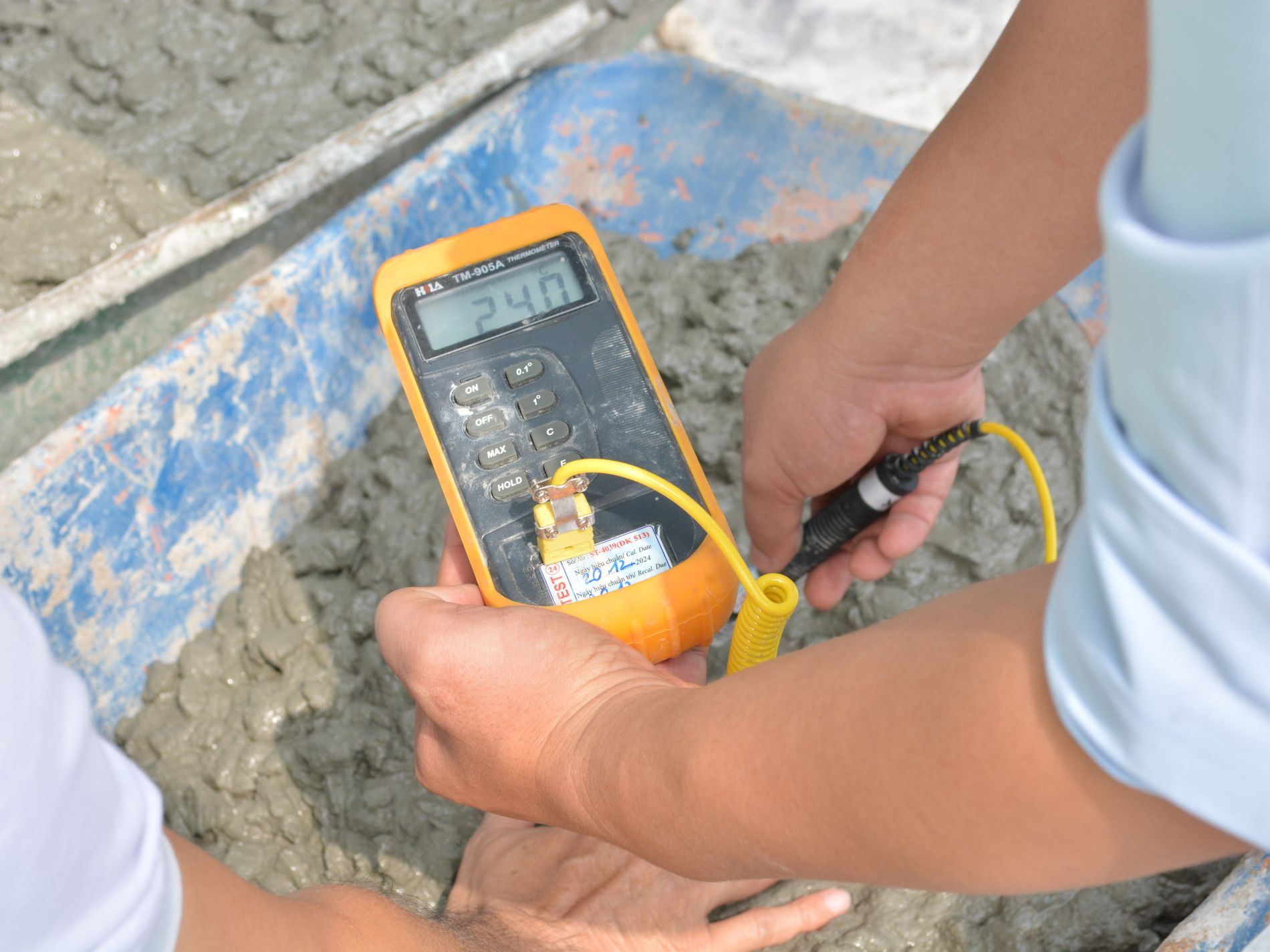
Dusting underfoot
Fine grey powder collects on shoes and stock. The concrete surface is breaking down and releasing particles with every step or vehicle pass.
- 2
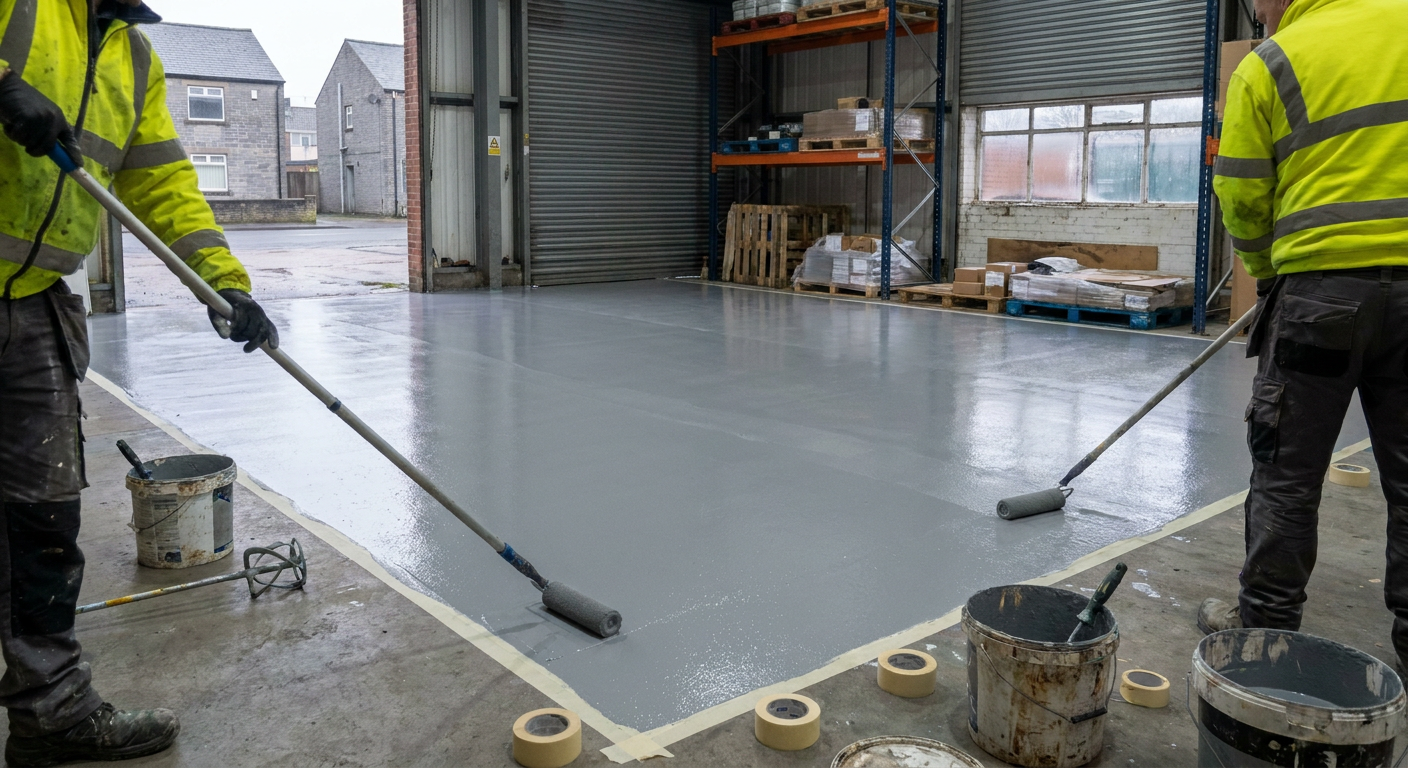
Hairline cracks spreading
Thin lines creep across the slab. They may stay shallow or deepen over time, letting water reach the sub-base beneath.
- 3
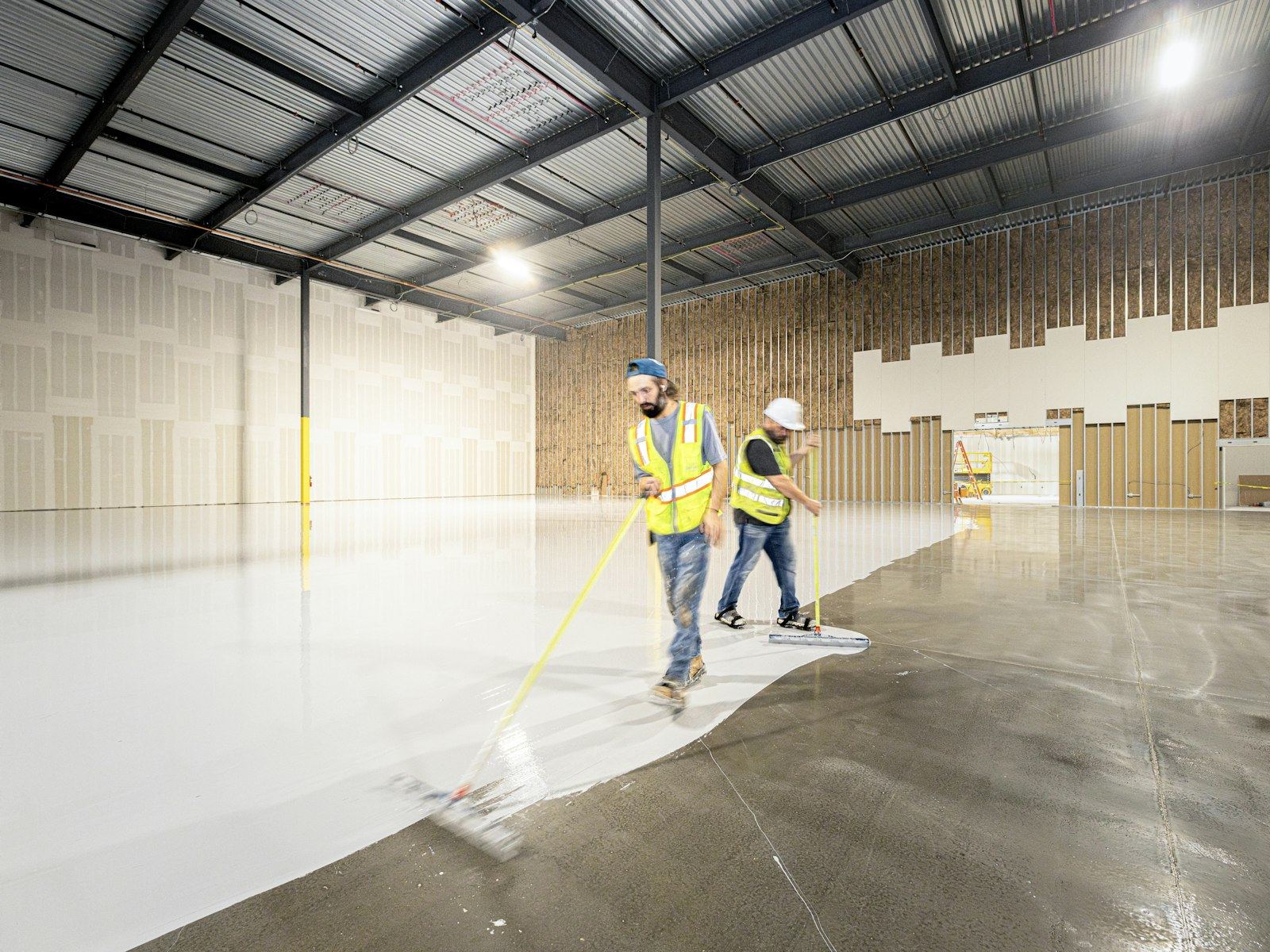
Dark oil stains
Shadows left by spills soak into bare concrete. They resist sweeping and can prevent a new resin coating from bonding properly.
- 4
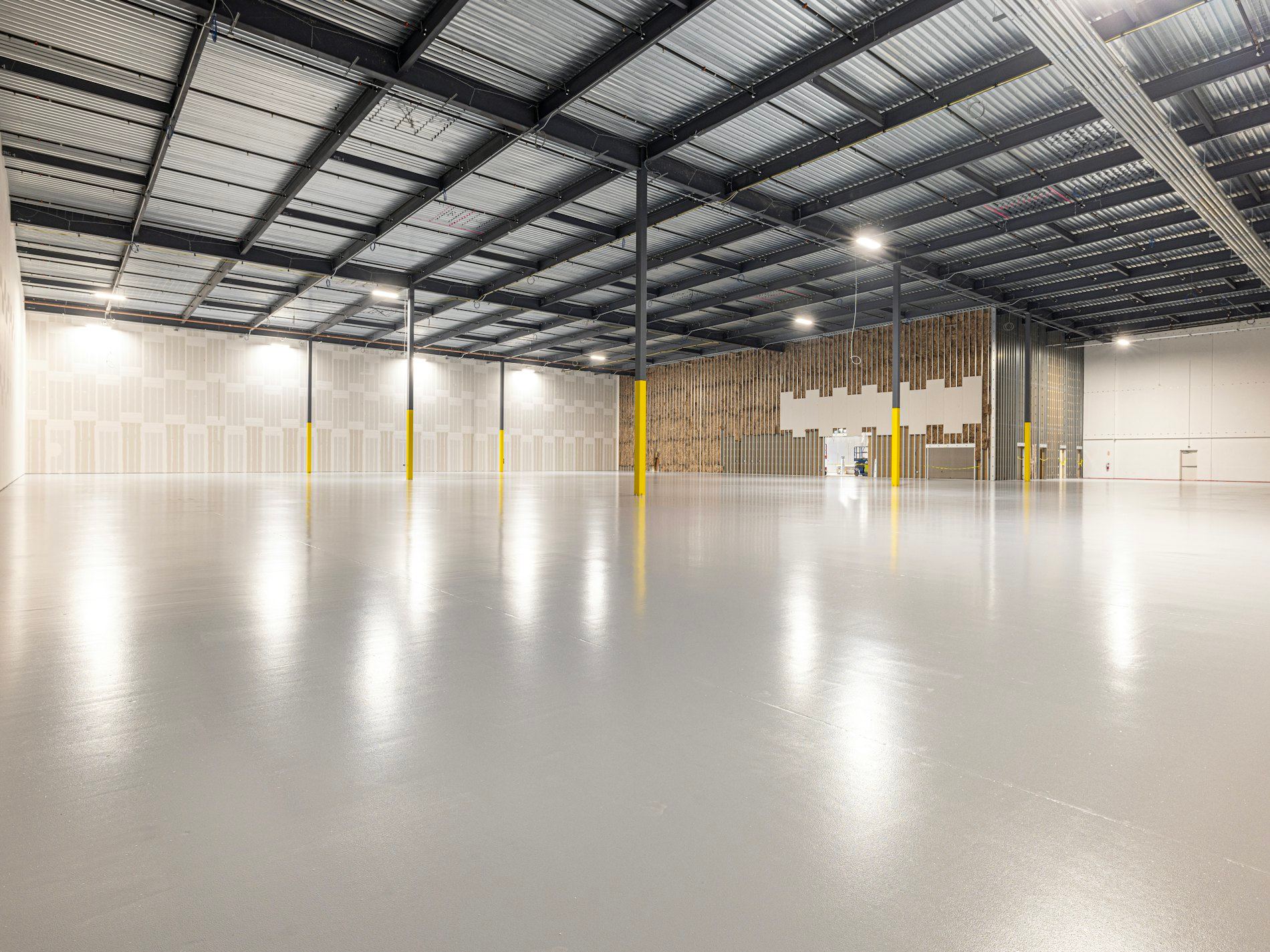
Edges crumbling near joints
Concrete breaks away along saw cuts or joints. Forklift wheels catch the damaged edge and accelerate the wear.
Questions about resin flooring costs
These are the points buyers raise most often when working out what a new floor will cost.
- Small versus large areas
- Smaller spaces cost more per square metre because fixed setup and travel expenses spread over less area.
- Preparing the old slab
- Grinding or blasting is part of the job. The specialist includes preparation in the quote after inspecting the concrete.
- Out-of-hours working
- Night and weekend shifts carry higher labour rates. Phasing the work across zones can reduce disruption but extends the programme.
- Access restrictions
- Stairs, narrow doors and distant parking slow progress. Hand tools replace machines, adding time and labour to the total.
- Separate line marking
- Aisle lines and safety markings use different materials. Specialists usually price them as a separate item from the base coating.
- Fixed quotes after visits
- A binding figure follows a site survey. The specialist checks moisture, measures the slab and assesses access before quoting.
Get a resin flooring cost for your space
Send the dimensions and a few photographs of your floor. A specialist firm will review the details and arrange a site visit to provide a fixed quote, with no obligation to proceed.
- No obligation
- Fixed quote after visit
- UK-wide coverage