United Kingdom
Warehouse floor painting and line marking
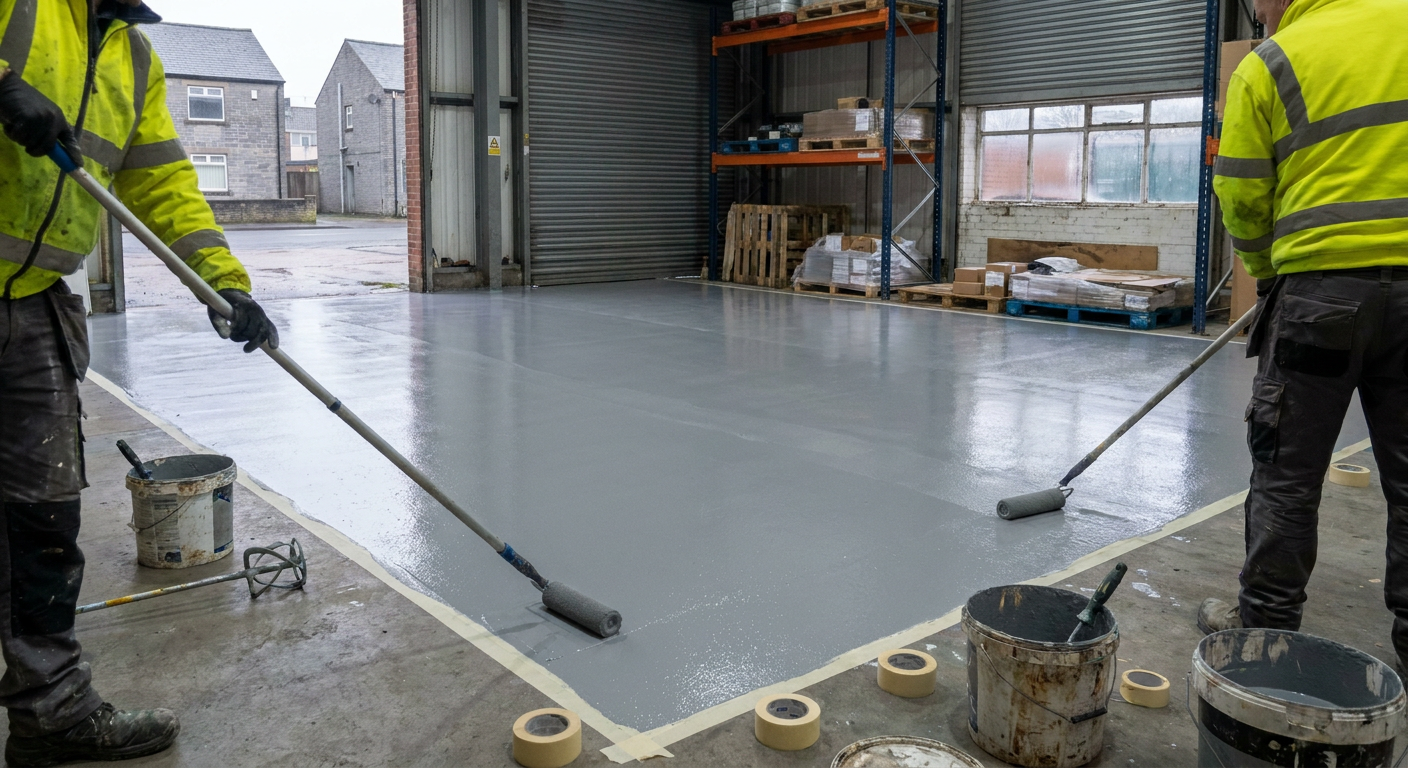
A worn slab under constant forklift traffic needs more than a quick coat of paint. Warehouse floor painting in the United Kingdom involves preparation, resin selection and phased working around loaded racking. Send details about your unit to receive a response from a specialist firm.
- Phased work around loaded racking
- Pricing based on area and condition
- Coatings built for pallet truck wear
Describe your warehouse floor
Resin and coating services
Each system suits different loads, substrates and environments. A specialist firm will recommend the right one after inspecting the concrete.
- Epoxy Resin Flooring For heavy use areas needing a thick, bonded surface layer.
- Garage Floor Coating Durable finishes for smaller concrete slabs in domestic or light commercial settings.
- Anti Slip Floor Coating Textured surfaces for wet zones, ramps and pedestrian walkways.
- Concrete Floor Screeding Levelling uneven slabs before a resin coating goes down.
- Floor Line Marking Aisles, bays and safety zones applied directly over the cured floor.
- Resin Floor Repairs Filling cracks, chips and worn patches without replacing the whole surface.
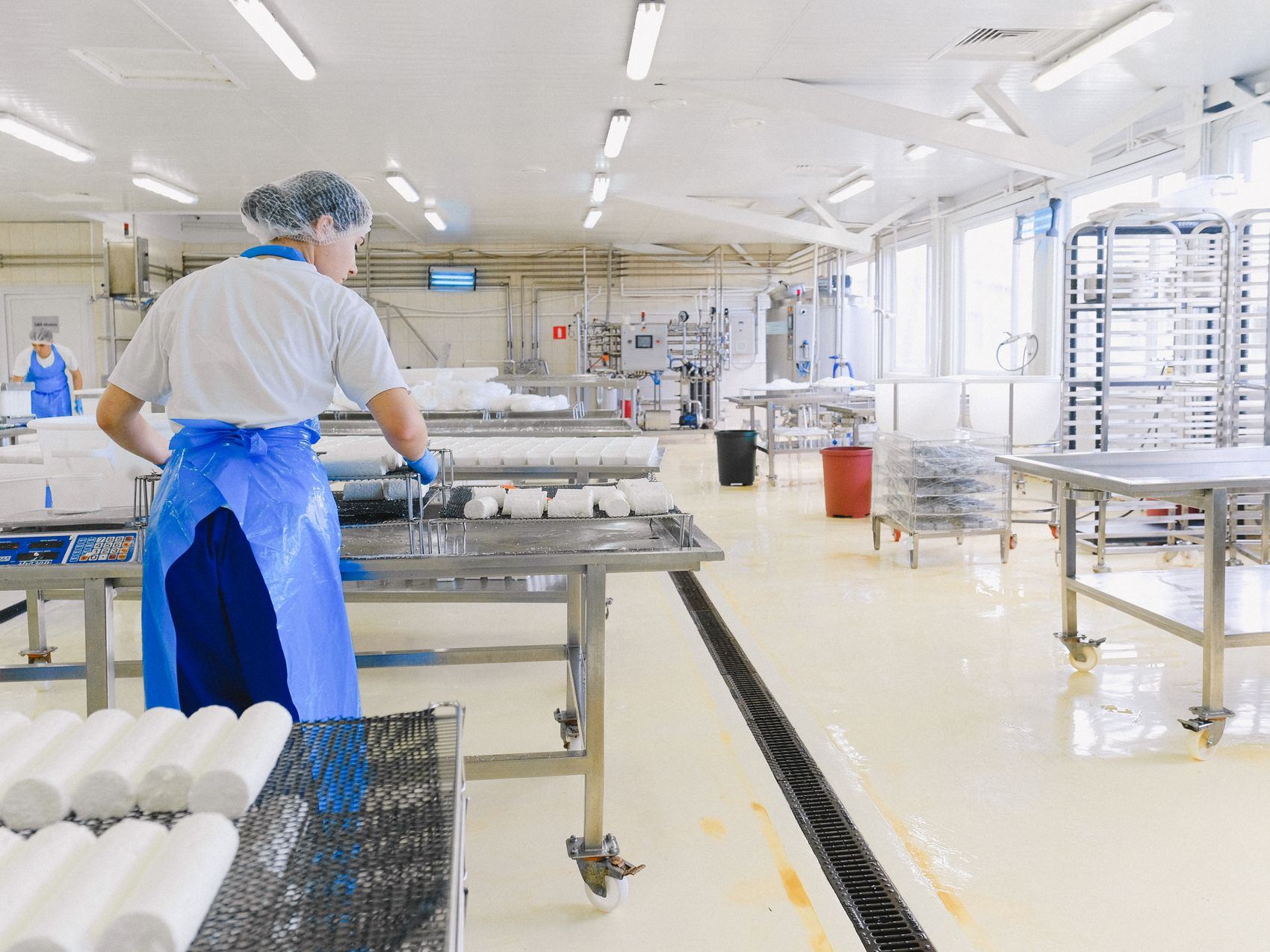
- Food Factory Flooring Hygienic resin for processing areas that face washdowns and spills.
Why warehouse slabs break down under daily traffic
Bare concrete dusts, absorbs spills and wears away where tyres turn. Distribution centre floor painting becomes necessary when the surface starts affecting operations. The damage usually begins at joints and high-traffic lanes before spreading across the bay.
- 1
Dusting and loose grit
Fine powder gathers along aisles and near doorways. It means the top layer of concrete is breaking down under friction.
- 2
Worn turning circles
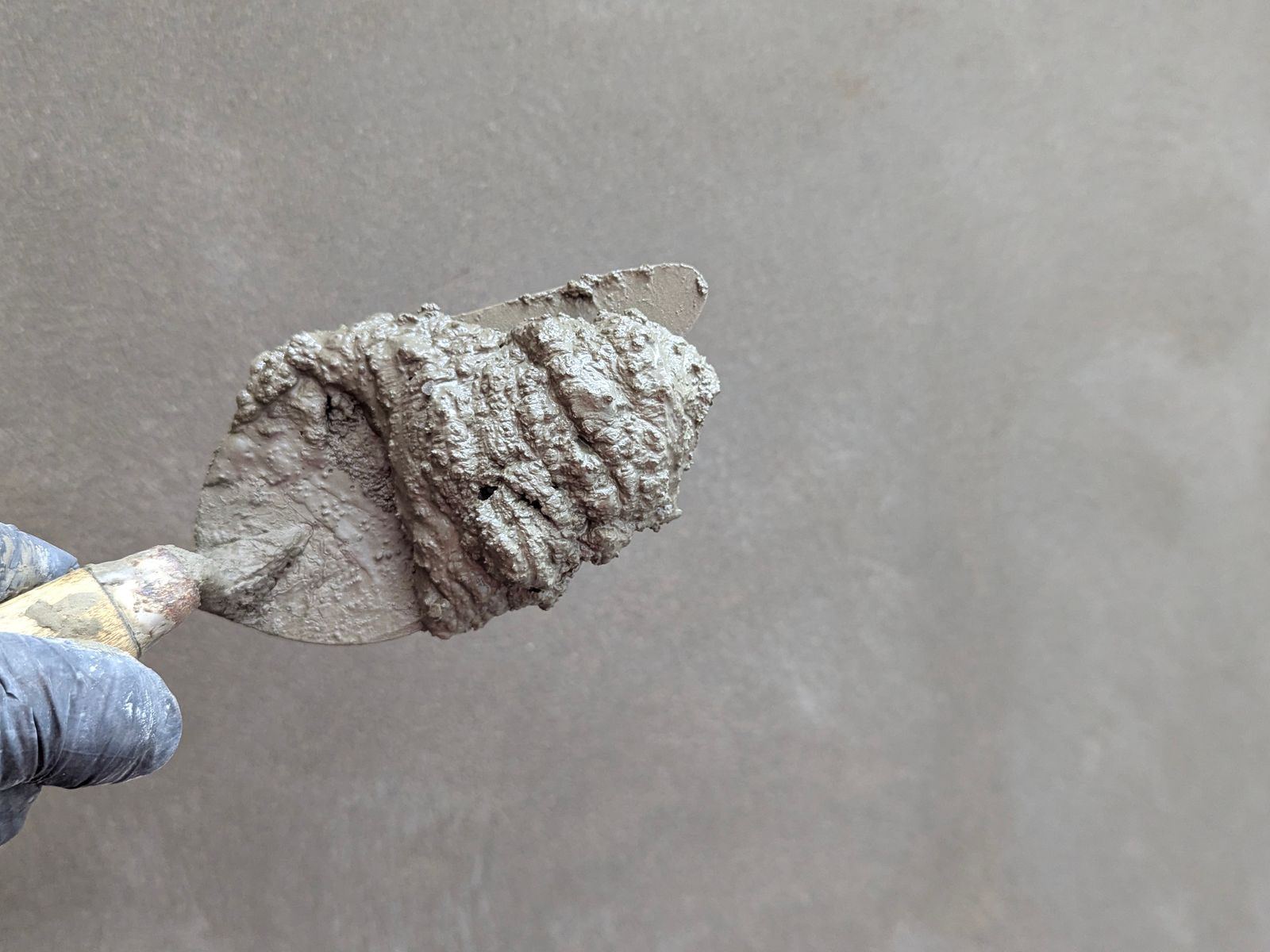
Pale, smooth patches appear where forklifts pivot. The aggregate shows through once the surface paste has gone.
- 3
Spalling at joints
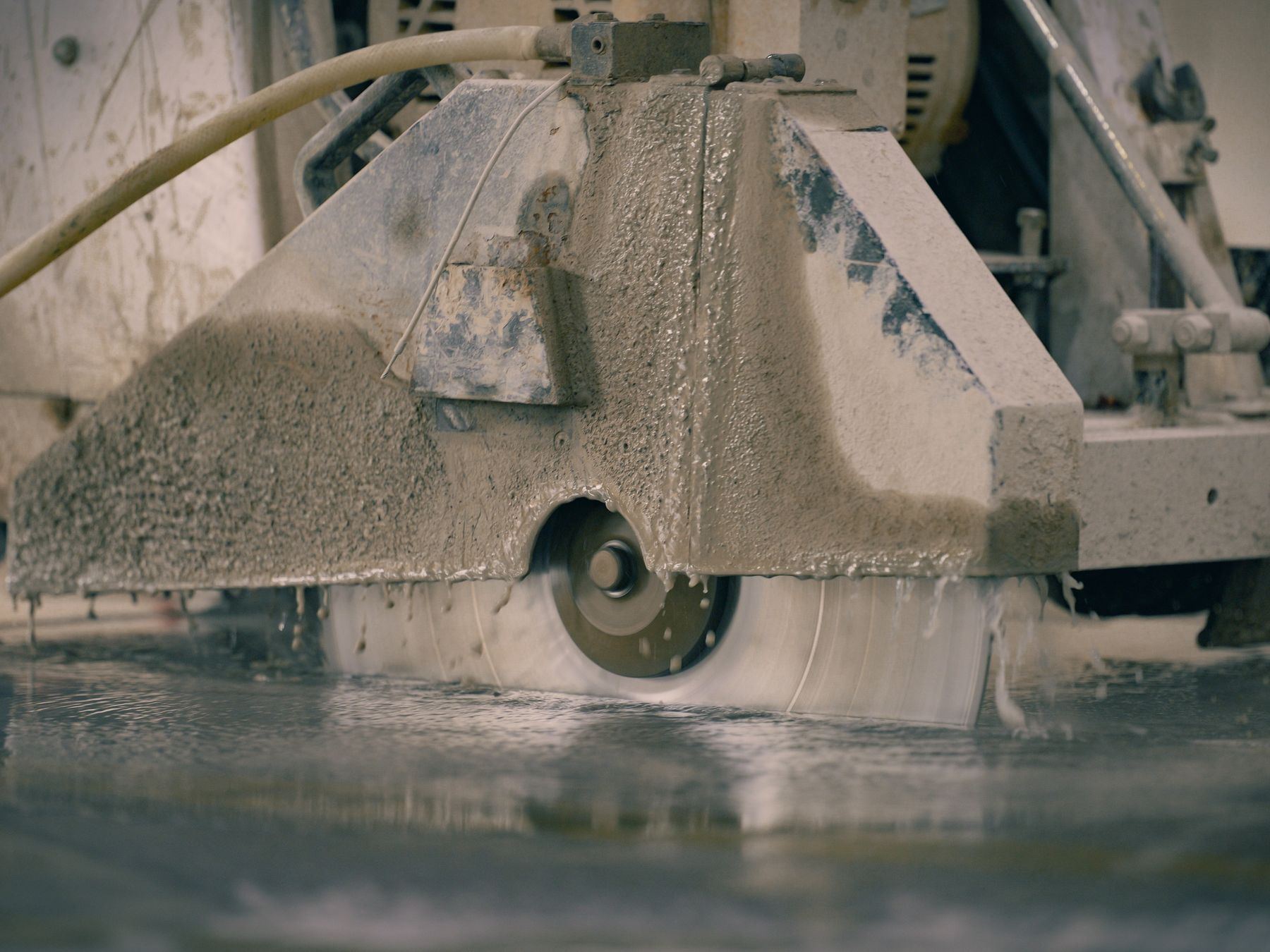
Edges of saw cuts crumble and widen. Pallet truck wheels catch the lip, tearing out small chunks of concrete.
- 4
Oil stains soaking in
Dark patches that do not wash off indicate the pores are open. Unsealed concrete absorbs hydraulic fluid quickly.

How the process works
You describe the size, condition and operating hours of the unit. A specialist firm then surveys the slab, specifies the system and plans the work around your schedule.
-
Step 1
Site survey and moisture test
A specialist visits the unit to check the concrete condition, measure moisture levels and note any damage at joints or edges.
-
Step 2
System specification and pricing
Based on the survey, the specialist selects a resin type and thickness suited to the expected forklift traffic and chemical exposure.
-
Step 3
Surface preparation
The existing concrete is ground or shot blasted to remove laitance and contaminants. Cracks are routed out and filled before coating begins.
-
Step 4
Primer and resin application
Layers go down in sequence, with cure times between them. Work can be split into phases so part of the warehouse stays operational.
-
Step 5
Line marking and handover
Aisle markings and safety zones are applied once the resin has hardened enough to take tape or paint without lifting.
What you receive from the specialist
A written record of the slab condition, the chosen system and the cost. Every decision rests on what the survey found rather than guesswork.
Survey report
Notes on moisture readings, joint condition, surface hardness and any contamination found during the inspection visit.
System specification
The resin type, thickness, primer and topcoat selected for the load profile and environment of your specific unit.
Written quotation
A breakdown of preparation, materials and labour costs calculated per square metre across the total treated area.
Warehouse floor painting questions
Answers to the things distribution managers ask before booking a survey for concrete floor sealing in a warehouse.
- Phasing around loaded racking
- Specialist firms routinely split large units into sections. One aisle cures while stock remains in the next, keeping the operation running throughout the job.
- How pricing is calculated
- Quotes are based on the total square metreage and the amount of preparation required. A badly worn slab costs more to prepare than a smooth one.
- Preparation for worn slabs
- Heavily trafficked concrete usually needs shot blasting to remove laitance and old sealers. Deep ruts may require grinding or a levelling screed first.
- Surviving forklift traffic
- Forklift traffic floor paint must resist point loading and tyre scrub. Thick epoxy or polyurethane systems handle these forces far better than thin single-pack coatings.
- Adding line marking
- Aisle marking on a warehouse floor is typically done immediately after the topcoat cures. The specialist applies it as part of the same project.
- Night and weekend working
- Night shift floor coating avoids daytime disruption. Many specialist firms schedule preparation and application outside normal operating hours or over planned shutdown weekends.
Coverage across the United Kingdom
Enquiries are taken from anywhere in the United Kingdom. Specialist firms operate regionally, so the responding contractor will be based near your site and familiar with local conditions.
If your town is not listed, send an enquiry anyway. Coverage extends nationwide.
Get a specialist to assess your warehouse slab
Describe the floor area, current condition and how the unit operates. A specialist firm will respond with the next steps for your site.