Comparison guide
Epoxy or polyurethane flooring: which to choose
Hardness, flexibility, chemical resistance and curing times all differ between these two resins. Find out which one holds up to hot water washdowns, forklift traffic and the conditions in your unit before a specialist inspects the slab.
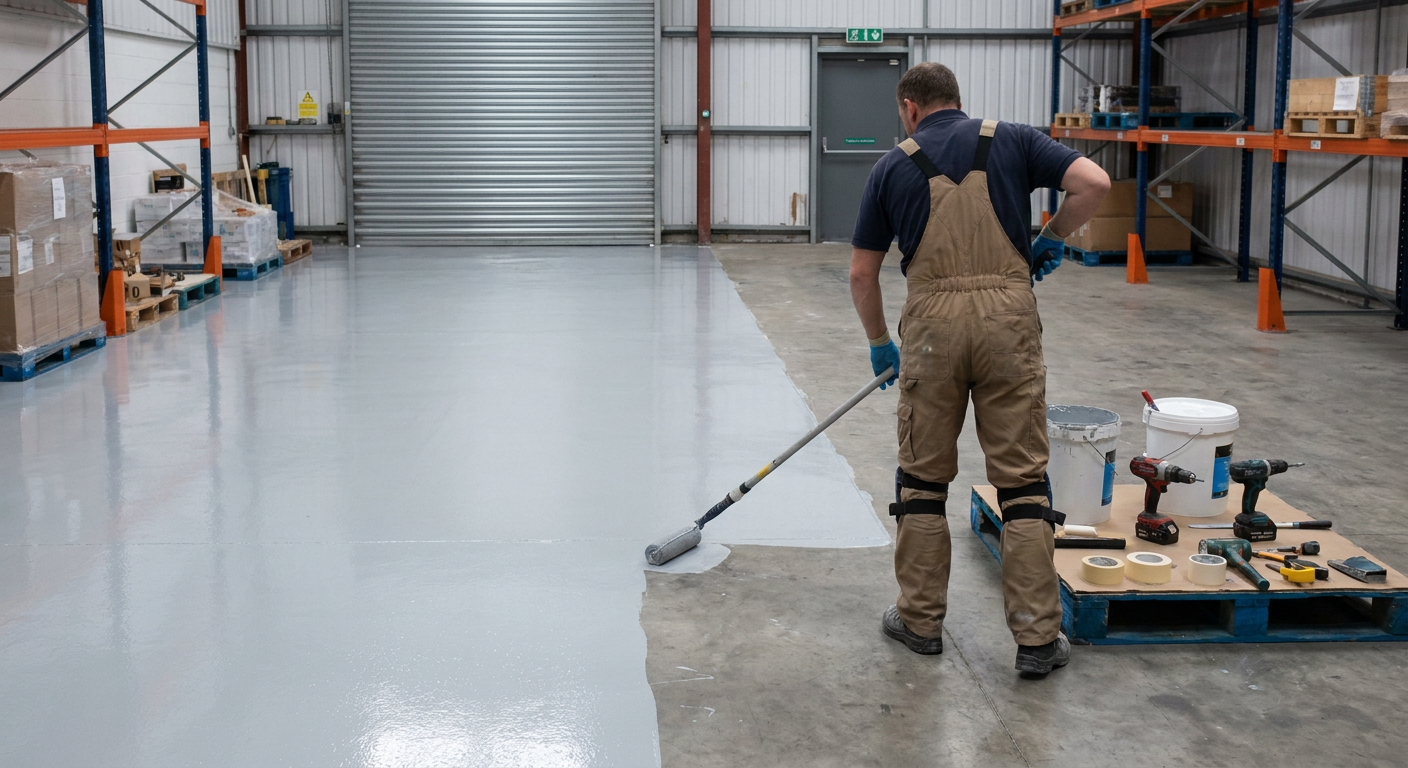
Hardness and how each resin wears under traffic
Epoxy cures to a hard, rigid surface. It handles heavy point loads well, so it is common in warehouses where pallet racking presses down on small feet. Forklift traffic grinds the surface over time, but a thick enough build keeps wear manageable. Read more about how thickness affects durability in the guide to resin floor depth.
Polyurethane is softer by comparison. That softness gives it some flex, which matters when the concrete beneath moves slightly with temperature changes or loading. Where a rigid coat might chip at the edges of a joint, a flexible resin floor cracking less often stays intact longer in units with active slabs.
The trade-off is indentation. Heavy static loads can leave marks in polyurethane that would not appear in epoxy. A specialist firm will weigh the type of traffic against the condition of the concrete to decide which hardness suits the space.
Chemical resistance, oils and spillages
Both resins resist chemicals, but they handle different ones. Epoxy stands up well to alkalis and many solvents. It is the default choice where oils, fuels or cleaning agents sit on the floor for long periods. For details on specific substances, see the notes on chemical resistant floor coating performance.
Polyurethane copes better with organic acids. Lactic acid from dairy processing or citric acid from fruit packing attacks epoxy faster than it attacks polyurethane. So when people ask which option handles chemical spills and oils more reliably, the answer depends entirely on what is spilling.
In a UK food factory, you will usually find polyurethane screeds in production rooms and epoxy in dry storage areas. The best resin floor for food factory environments is whichever one matches the actual chemistry on the ground. Specialist contractors test samples against the specific liquids used on site before recommending a system.
Heat, steam cleaning and hot water washdowns
Epoxy floor heat resistance has limits. Standard grades soften around sixty to eighty degrees Celsius. Boiling water or live steam hitting the surface can cause blistering or delamination. So if someone asks whether epoxy will crack if the floor gets hot water or steam cleaned, the honest answer is that thermal shock is a real risk with standard epoxy.
Polyurethane handles higher temperatures and sudden changes better. This is why pu screed vs epoxy debates in wet processing plants almost always end with polyurethane specified for the washdown zones. It expands and contracts with the heat rather than resisting it until the bond fails.
For areas that face regular steam cleaning or hot water rinses, specialist firms typically lay a polyurethane screed at six to nine millimetres. Thinner coatings, even polyurethane ones, may not carry enough mass to absorb the thermal energy without transferring it to the substrate.
Flexibility and movement in the concrete slab
Concrete moves. It shrinks as it dries, expands with heat and deflects under load. Polyurethane stretches with these movements. If you are wondering whether polyurethane copes better with movement in the slab, it generally does, because its elongation rate is far higher than epoxy.
Epoxy bonds tightly and cures rigid. When the slab shifts beyond what the bond can tolerate, the coating cracks or lifts. This is common over sawn joints or in older buildings where the subfloor was never fully stabilised. Crack-bridging epoxy systems exist, but they add cost and complexity.
Polyurethane floor coating uses include car parks, balconies and any suspended slab where deflection is expected. In a ground-level warehouse, the need for flexibility depends on the joint layout and the age of the concrete. A contractor inspecting the slab will measure moisture and movement before confirming the choice.
Thickness needed for forklifts and heavy plant
How thick each system needs to be for forklift traffic depends on the weight, the tyre type and the frequency of turns. Pneumatic tyres are kinder than solid rubber or polyurethane wheels, which concentrate force on a smaller area.
A light-duty epoxy roller coat at three hundred microns will not survive a reach truck turning on the spot. For regular forklift use, specialist installers typically apply an epoxy screed or high-build coating between two and four millimetres. Heavier traffic or steel-wheeled trolleys push that requirement to six millimetres or more.
Polyurethane screeds laid for vehicle traffic usually start at six millimetres and go up to nine. The extra thickness absorbs impact and provides the thermal mass needed in cold stores or washdown bays. See the full breakdown of resin floor thickness options for how these figures change with different loads.
Laying one resin over another
Can a polyurethane be laid over an existing epoxy floor? Sometimes, but never directly. The old epoxy must be mechanically prepared first, usually by diamond grinding or shot blasting, to create a profile the new coat can grip. Without that key, adhesion fails.
Specialist firms check the existing coating for moisture trapped underneath, for signs of peeling and for contamination from oils that have soaked in over years. If the old epoxy is sound and well bonded, overcoating is possible. If it is lifting anywhere, stripping back to bare concrete is the safer route.
The reverse applies too. Epoxy can go over polyurethane if the surface is prepared correctly. The decision rests on what is already there, what the slab is doing and what the room will be used for next. Preparation methods matter as much as the resin itself.
Curing times and reopening the unit
How the choice affects curing time and how soon you reopen depends on the product grade and the ambient temperature. Standard epoxy needs seven days to reach full cure, though foot traffic is usually possible after twenty-four hours. Fast-cure epoxies shorten that window significantly, sometimes to a few hours, but they demand precise mixing and application.
Polyurethane screeds cure faster in most conditions. Many are walkable within eight hours and ready for light vehicle traffic the next day. This matters in operational UK warehouses where downtime costs money. For a detailed timeline, read the notes on epoxy floor drying time from application to full strength.
Temperature plays a part. Both resins cure slower in cold conditions. Specialist contractors plan installations around the weather and the heating system in the building. They also sequence the work so that adjacent bays stay operational while one section cures, keeping the unit functional throughout.
Signs you chose the wrong resin for the job
A floor that does not match the conditions will show problems early. These signs do not tell you which resin to use next, but they indicate the current system is failing under the demands placed on it.
- 1
Blistering after hot washing
Bubbles or raised patches appearing shortly after hot water or steam cleaning suggest the coating cannot handle the thermal shock.

- 2
Cracks tracking across joints
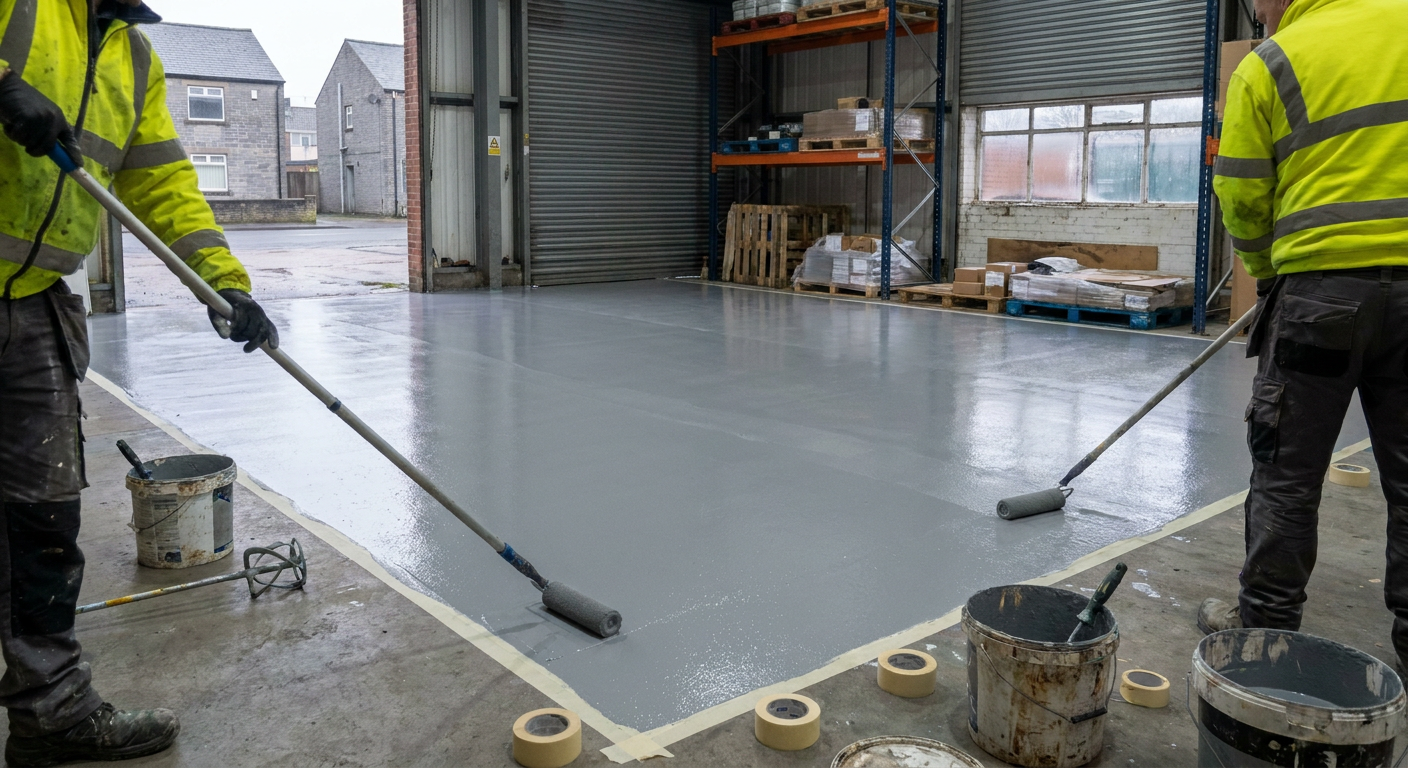
Straight splits following the concrete joints below mean the resin lacks the flexibility to move with the slab.
- 3
Soft or sticky patches
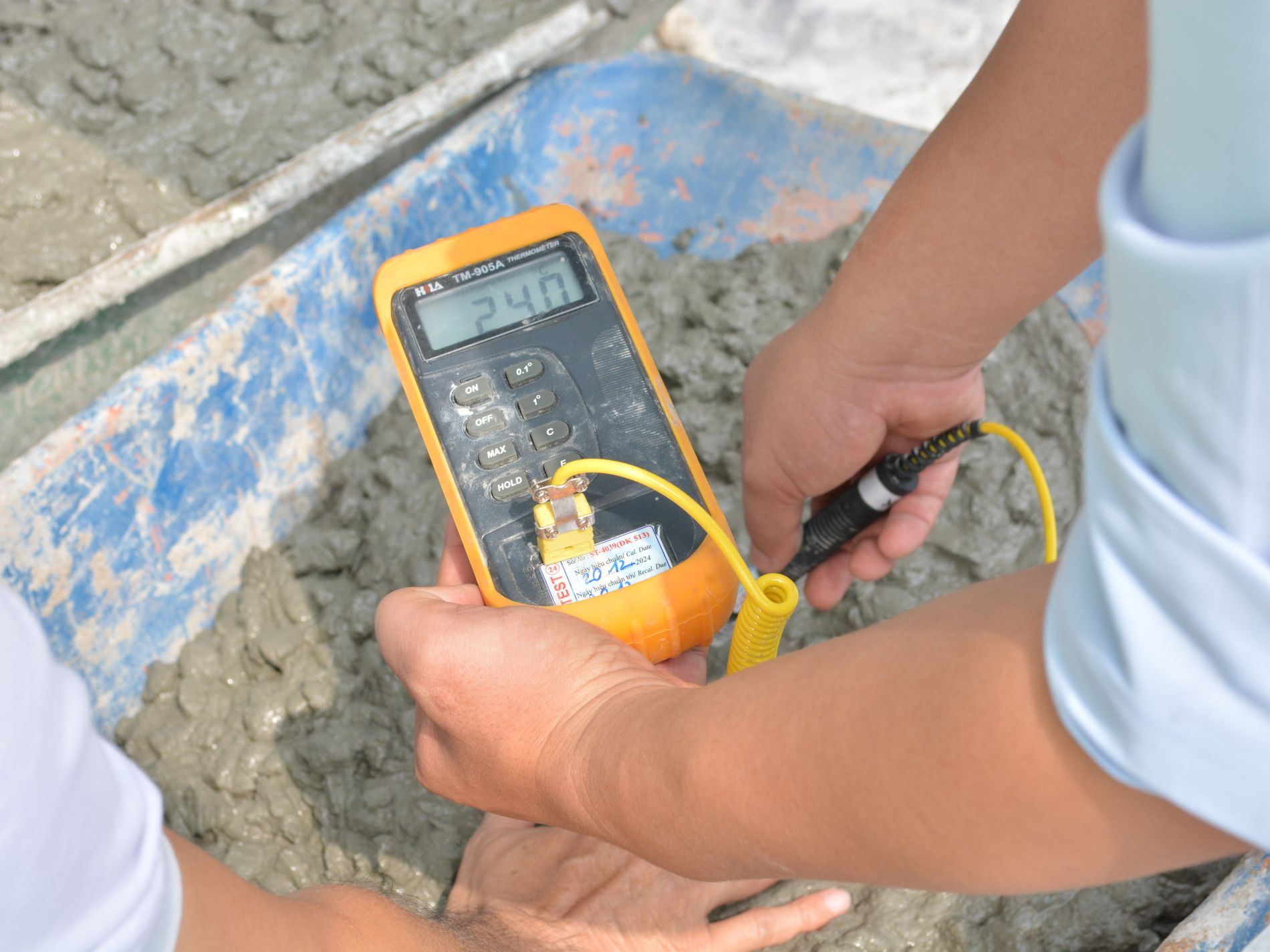
Areas that remain tacky weeks after installation can indicate incorrect mixing ratios or temperatures during application.
- 4
Edges lifting at drains
Where the coating pulls away from stainless steel channels, chemical attack or thermal movement is likely breaking the bond.
Working out what your floor actually needs
The right system depends on the slab condition, the chemicals present and the traffic pattern. Only a physical inspection settles the question. What matters now is recognising how quickly you need that inspection based on what you can already see.
-
The floor blisters every time we run the hot washdown cycleToday
Thermal shock is breaking the bond between the resin and the concrete. Continued heating risks larger sections lifting and creating trip hazards.
What to do Stop steam cleaning that area and arrange a site inspection.
-
Cracks are forming along the saw cuts in the slabSoon
The coating is too rigid for the movement happening in the concrete. Left alone, the cracks will widen and let moisture underneath.
What to do Ask a specialist to assess slab movement and recommend a flexible system.
-
Forklift tyres are leaving black scuff marks that won't wash offWorth watching
The surface may be too soft for the tyre compound or the turning forces involved. It is wearing faster than expected.
What to do Monitor the depth of wear and note the areas worst affected for a survey.
-
We need to coat over the old epoxy but don't know if it's soundSoon
Applying new resin over a failing coat wastes material. The existing layer needs testing for adhesion and moisture before anything goes on top.
What to do Request an adhesion test and moisture reading before scheduling any work.
-
Production starts in three weeks and the floor still isn't specifiedToday
Curing times vary between products. Leaving the decision too late risks reopening the unit before the resin reaches full strength.
What to do Confirm traffic types and chemical exposure with a contractor immediately.
None of this diagnoses your particular floor. Anything changing rapidly or posing a slip risk needs a specialist visit now, not later.
Get the right resin specified for your floor
Send the details of your unit and what happens on the floor. A specialist firm will review the information and arrange a site visit to confirm which system fits. There is no obligation to proceed with any work.
- No obligation to buy
- Site visit included
- UK-wide coverage