Problem guide
Why is my epoxy floor peeling off the concrete?
A failed resin coating usually points to preparation, moisture or thickness. Find out what causes an epoxy floor to peel, how a specialist firm works out the reason, and what happens next.
Why is my epoxy floor peeling in the first place
When an epoxy coating lifts off concrete, the bond between the resin and the slab has broken down. People across the United Kingdom search for why is my epoxy floor peeling because the failure is obvious and it disrupts work. The resin might blister, flake away in chips or come up in large sheets.
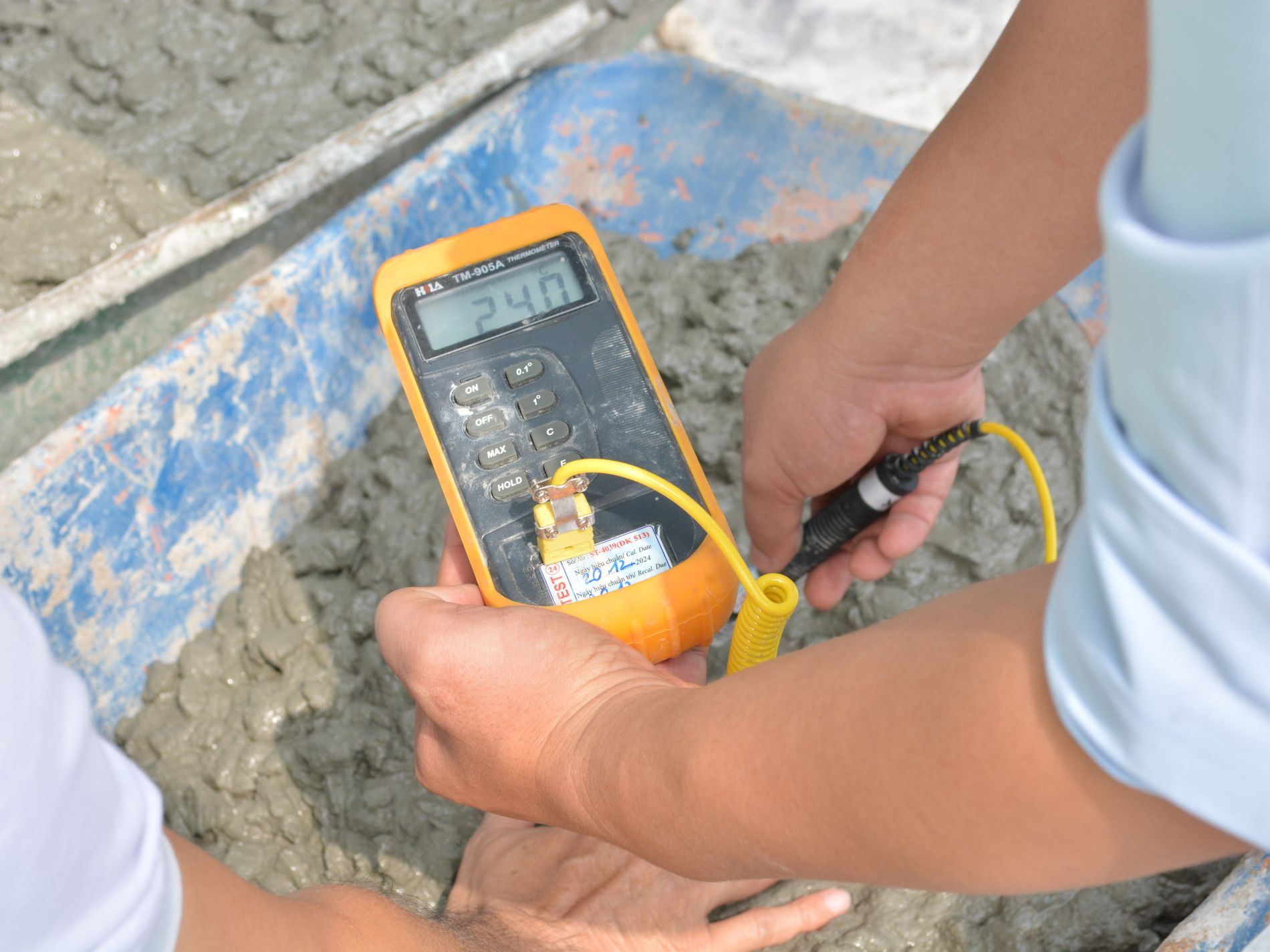
The most common resin floor delamination causes relate to what happened before the liquid resin was poured. If the concrete was not ground or blasted to open the pores, the epoxy sits on top rather than gripping the surface. Dust, oil, old paint or curing compounds left on the slab act as a barrier. Moisture vapour pushing up from below creates pressure that breaks the adhesive bond. A coat applied too thinly lacks the strength to hold together under foot traffic or forklift wheels.
None of these reasons are visible once the floor is laid. They only show themselves later, when the coating starts to fail. A bubbling epoxy floor problem often points to trapped moisture or solvent, while a floor coating failed after a year usually suggests the original preparation was skipped or rushed.
Lifting sheets, damp slabs and door edges
When epoxy lifts in large sheets, people ask whether the fault lies with the concrete or the coating. It can be either. A weak, dusty substrate will let go of any resin poured over it. But a perfectly sound slab will also shed its coating if the surface was never profiled correctly by grinding or shot blasting.
Damp coming up through the slab is a frequent cause of peeling in older UK industrial units where no damp proof membrane was installed. Moisture pushes against the underside of the cured resin until it blisters and detaches. Specialist firms test for this before laying anything new, because applying epoxy over a wet slab guarantees another failure.
Peeling around a doorway does not automatically mean the whole floor will follow. Edges take more impact from trolleys, weather exposure and temperature swings. But if the same poor preparation was used everywhere, the rest of the floor may already be loosening underneath. Only a close inspection tells you which areas are still bonded and which are hollow.
Patching a failed floor or stripping it back
A small area of damage in a garage or unit can sometimes be repaired without touching the rest of the surface. But patching only works where the surrounding resin remains firmly stuck to the concrete. If the adhesion is failing across the slab, a local repair will simply break away at the join.
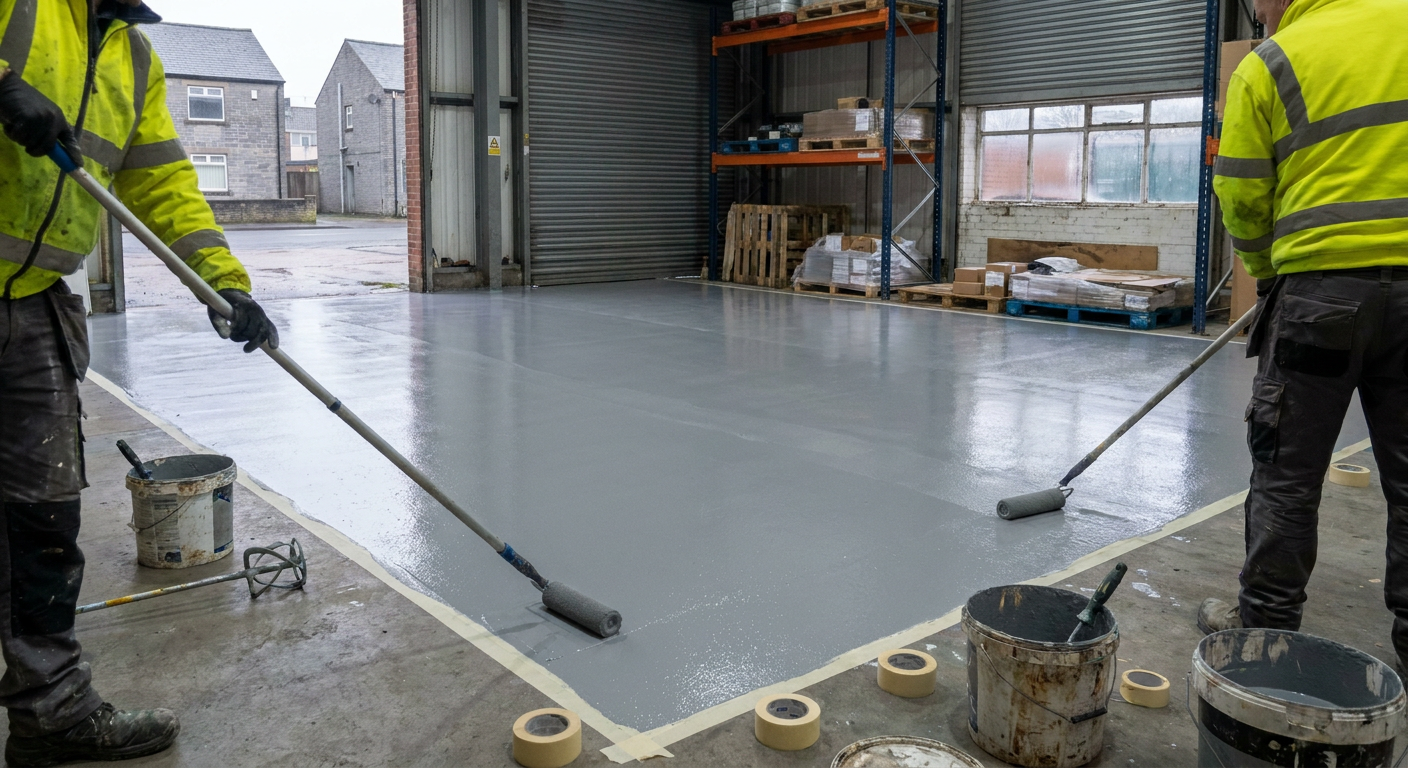
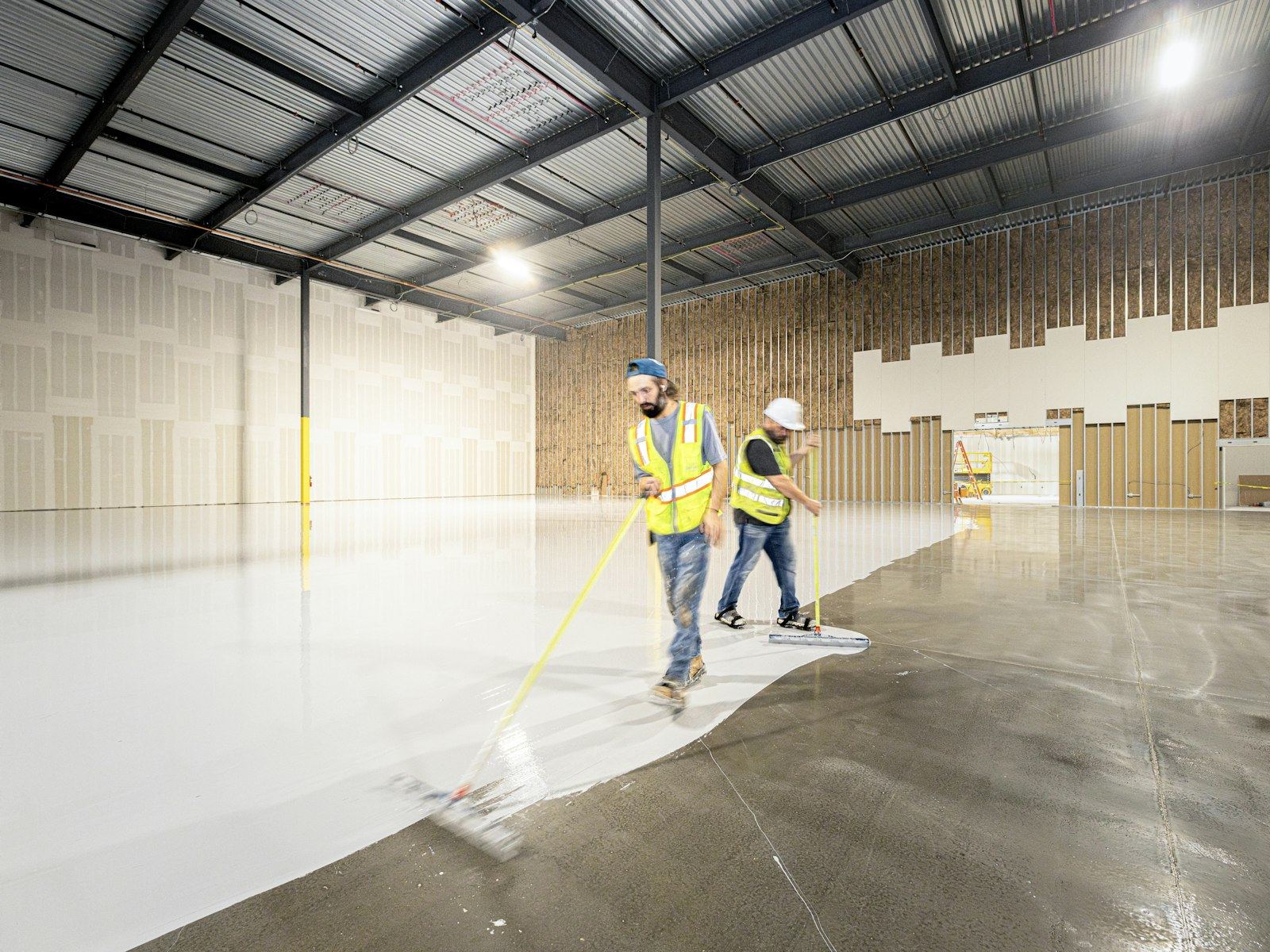
When a floor coating fails broadly, the usual route is to strip and recoat the failed floor entirely. This means grinding the old resin back to bare concrete, assessing the substrate for cracks or moisture damage, and starting again with the correct preparation. In a working warehouse, specialist contractors phase the work so part of the building stays operational while another section is being ground and coated.
The time this takes depends on the size of the area, the condition of the concrete beneath and the type of resin chosen. Epoxy needs specific temperatures and drying periods before it can take traffic again. Scheduling the work around shifts and deliveries is something experienced flooring contractors plan for in advance.
Guarantees, inspections and finding the cause
If a floor is only a year old and already failing, the first step is to check the paperwork from the original installation. Whether a guarantee covers the defect depends entirely on the terms the contractor provided and whether the floor was used within those limits. Heavy point loads, chemical spills or thermal shock can void standard warranties.
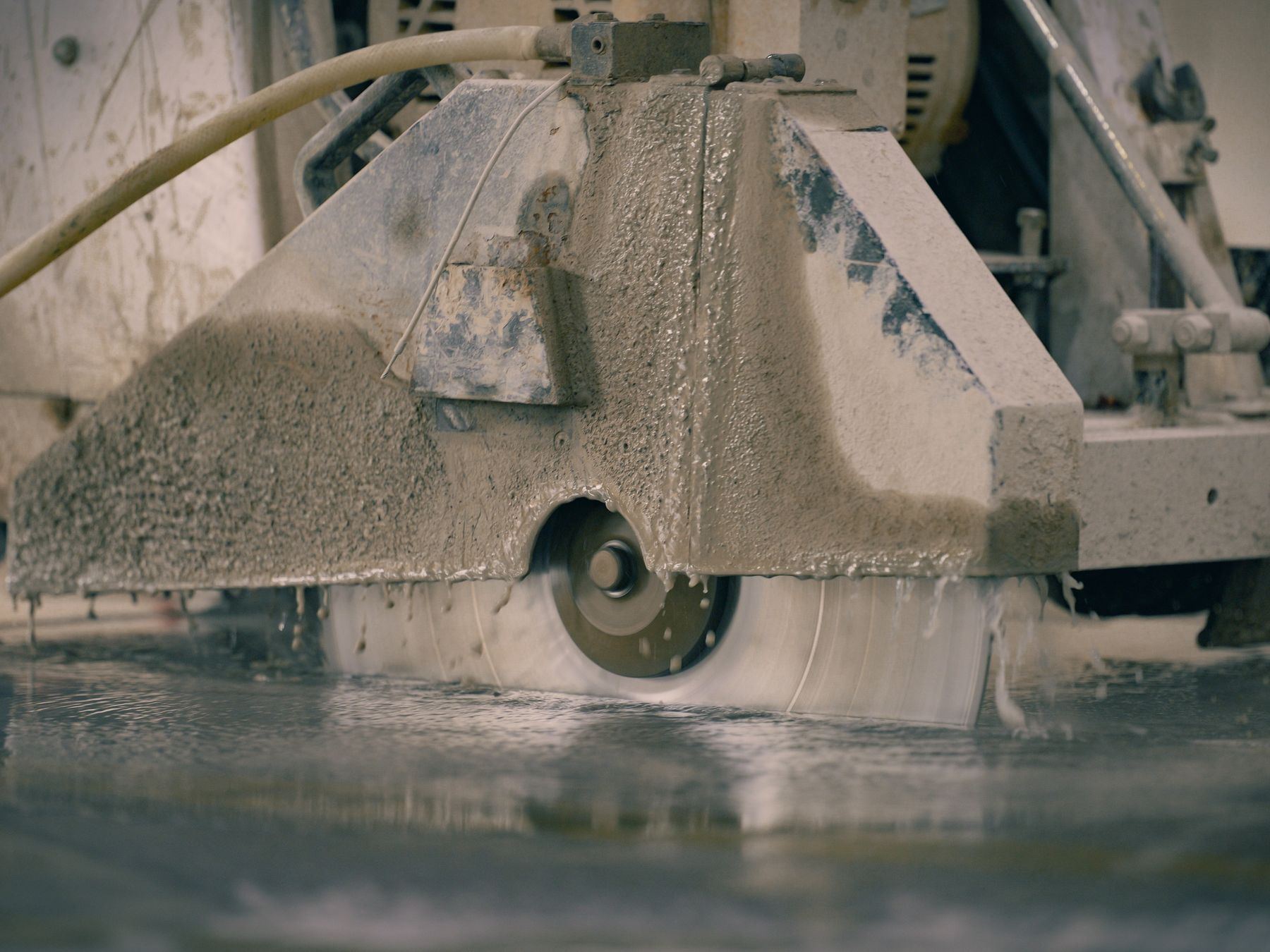
Before anyone puts a new floor down, they need to find out what went wrong with the old one. Specialist firms do this by inspecting the concrete, testing for moisture vapour transmission, checking the surface profile and examining the peeled material. They look for contamination, measure the thickness of the failed coat and assess whether the right resin was specified for the environment.
This investigation matters because repeating the same mistake produces the same result. A food factory needs a different system from a dry storage unit. A garage subject to hot tyre pick-up needs a formulation that resists plasticiser migration. Getting the specification right prevents another early failure.
What a failing epoxy floor looks like
Epoxy peels when the bond to the concrete gives way. The signs vary depending on what caused the separation, but they all mean the coating is no longer doing its job.
- 1
Large sheets lifting
Whole sections of resin detach cleanly, leaving bare concrete underneath. This usually points to a lack of surface preparation.
- 2
Blisters and bubbles
Raised domes form across the surface. Moisture vapour or trapped solvent is typically pushing the coating up from below.

- 3
Flaking at edges
Chips break away near doors or joints. Impact, weather changes or thin application often start the damage here.
- 4
Hollow sound underfoot
The floor sounds empty when tapped. The resin has lost contact with the slab even if it looks flat.
Working out how soon to act
Recognising the signs helps you decide how quickly to arrange an inspection. Only a physical assessment by a specialist firm can confirm the exact cause and the right repair method for your situation.
-
Our epoxy is lifting in sheets across the main walkwayToday
The bond has failed completely in that area, and loose sheets create a trip hazard for anyone walking or driving over them.
What to do Keep traffic off the area and ask a specialist firm to inspect the slab.
-
Could damp coming up through the slab be causing the peeling?Soon
Moisture vapour pressure breaks the adhesive bond over time. Blisters form, burst and leave bare patches.
What to do Arrange a moisture test before planning any repair or replacement work.
-
Is peeling around the door a sign the whole floor will go?Worth watching
Edges fail first because of temperature swings and impact, but widespread failure depends on how the entire slab was prepared.
What to do Monitor the edges and tap nearby areas to check for hollow spots spreading inward.
-
Can a peeling floor be patched or does it all have to come off?Soon
Patching works only where the surrounding resin is fully bonded. If adhesion is poor everywhere, a full strip is needed.
What to do Ask a contractor to test the bond strength before deciding between repair and replacement.
-
What should I do next if the floor is only a year old?Today
Early failure suggests a specification error, poor preparation or moisture that was not tested for before the resin was laid.
What to do Check your installation paperwork and contact a specialist firm to investigate the cause.
These are general patterns, not a diagnosis of your floor. Anything changing fast or creating a trip hazard should be looked at immediately.
Ask about repairing your floor
Send details of the problem and a specialist firm will review them. This does not commit you to any work or cost. It starts a conversation about what the damage means and what can be done.
- No obligation
- Specialist review
- UK coverage