Resin floor repairs
Resin floor repair for cracks, chips and wear
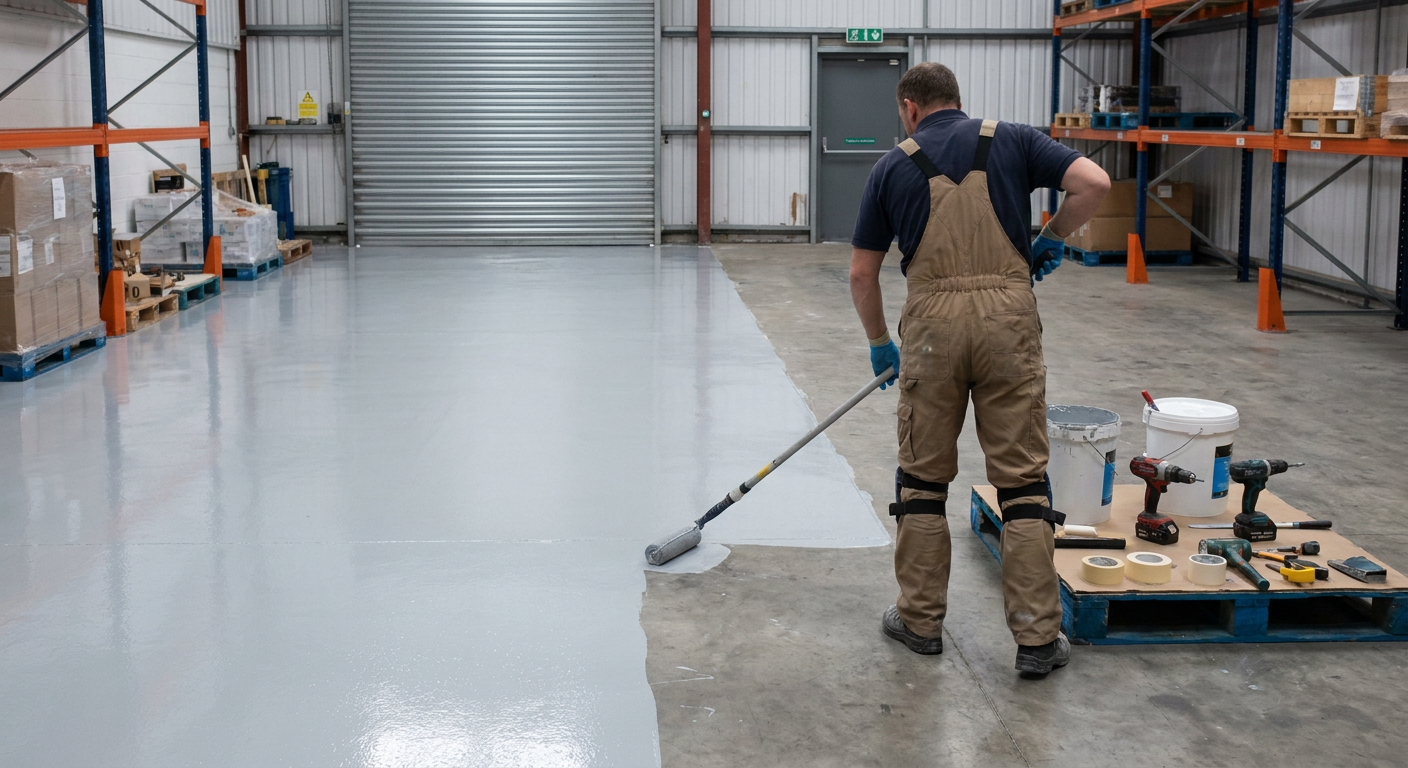
When a resin floor starts to lift, crack or wear through, the damage spreads under traffic. Resin floor repair in the United Kingdom stops that spread before the whole surface fails. Describe what you see and a specialist firm will assess whether patching or a full re-lay is needed.
- Patching or full re-lay assessed
- Specialist firms across the UK
- Send details of the damage for a response
Describe the damage
Floor coating and repair services
Each service covers a different problem. Find the one that matches what you are seeing on your concrete slab.
Why your resin floor is lifting, cracking or wearing through
A resin coating bonds to concrete through mechanical grip. When moisture rises, traffic grinds the surface thin, or the original preparation was poor, that bond breaks. The failure shows itself in distinct patterns, each pointing toward a different fix.
- 1
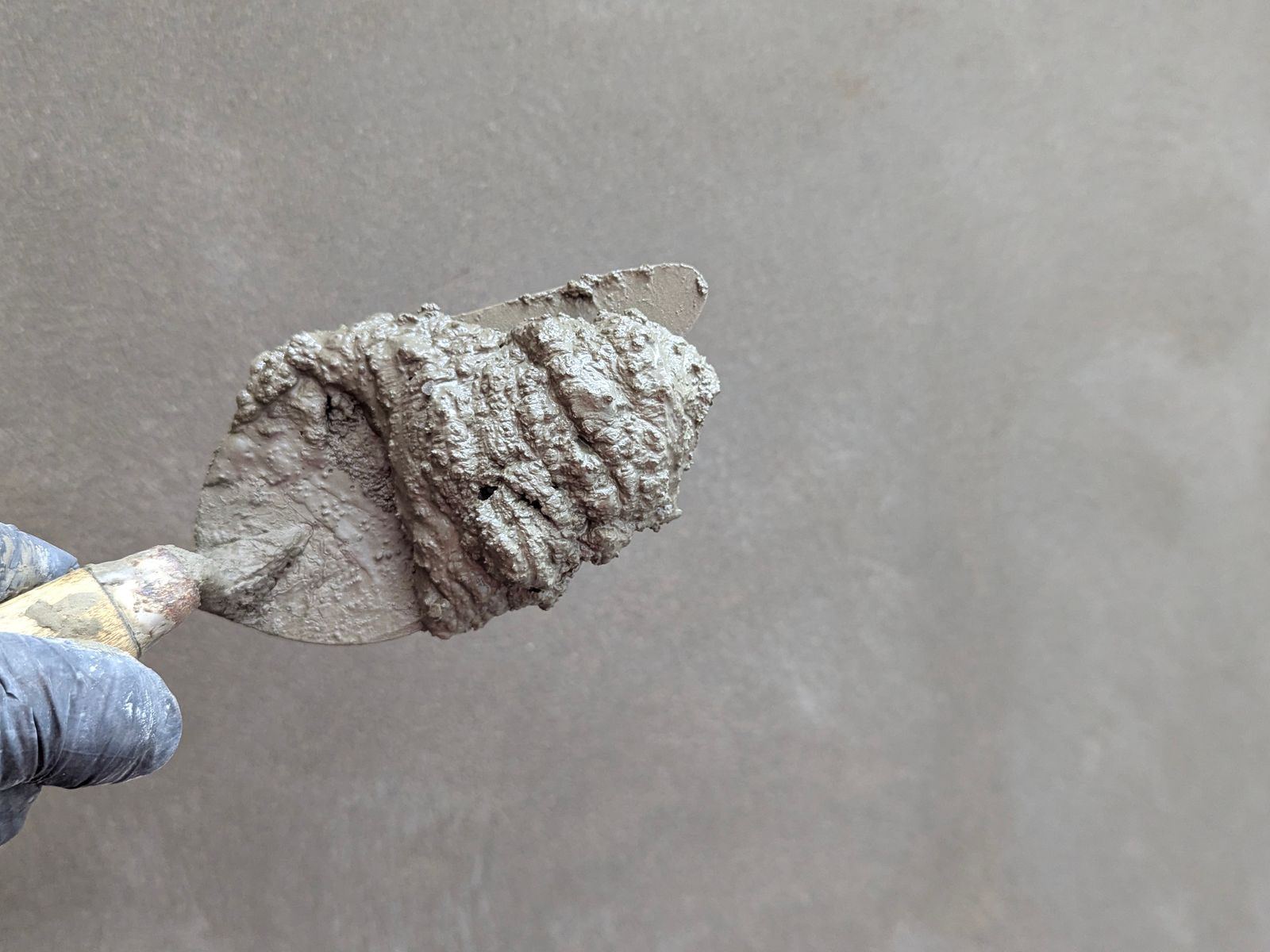
Bubbling or peeling patches
The coating lifts away from the concrete in sheets or blisters. Moisture vapour pressure or poor adhesion usually causes this delamination.
- 2
Potholes near doors
Shallow craters form where tyres spin or pallet legs drag. Industrial floor pothole repair targets these high-wear zones first.

- 3
Cracked joints showing through
The resin splits along the concrete's control joints. Movement in the slab transfers up into the rigid coating above it.
- 4
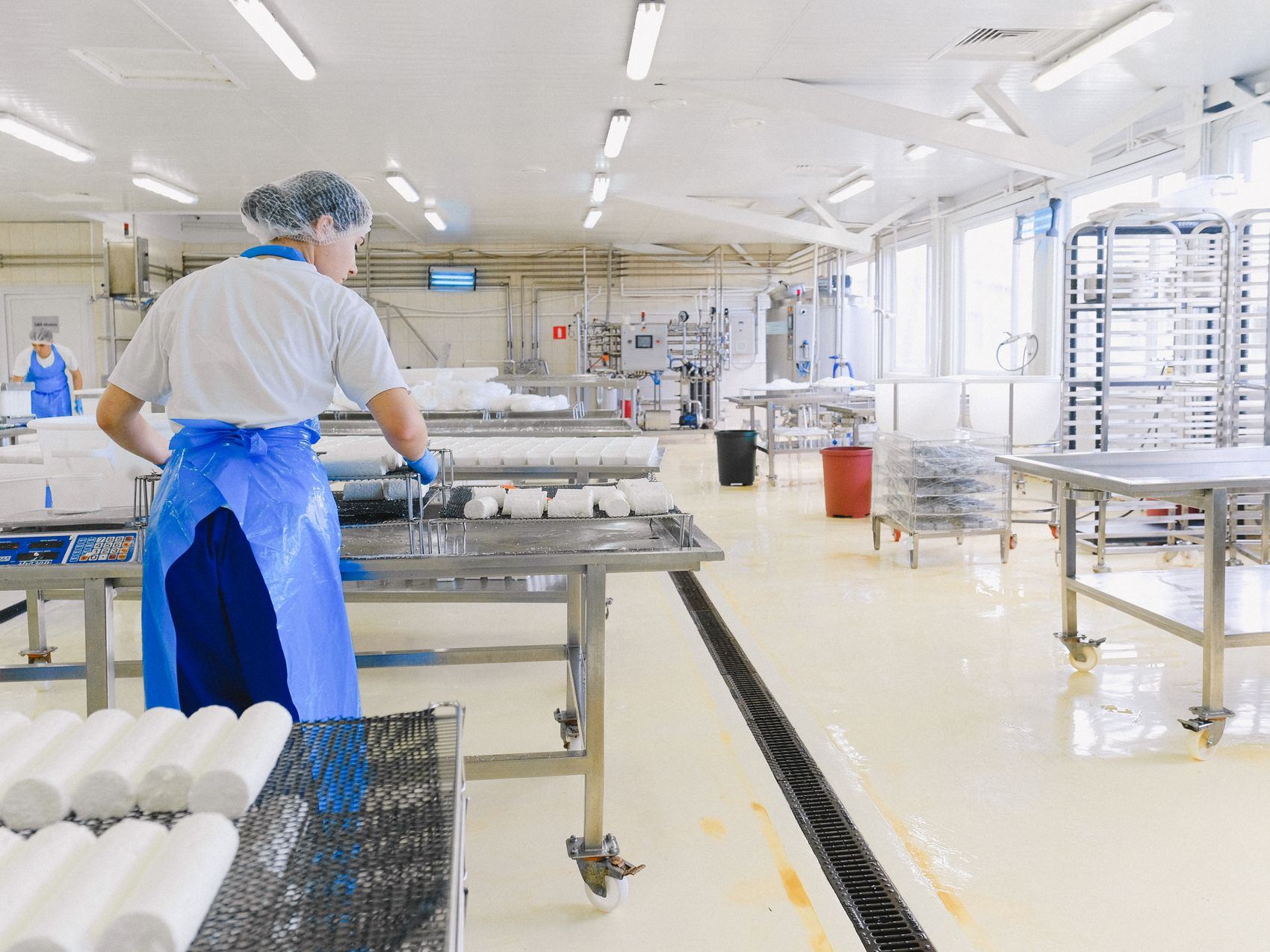
Worn paths in aisles
Traffic lanes turn dull and rough while the rest of the floor stays smooth. Forklift wheels grind the resin down to bare concrete.
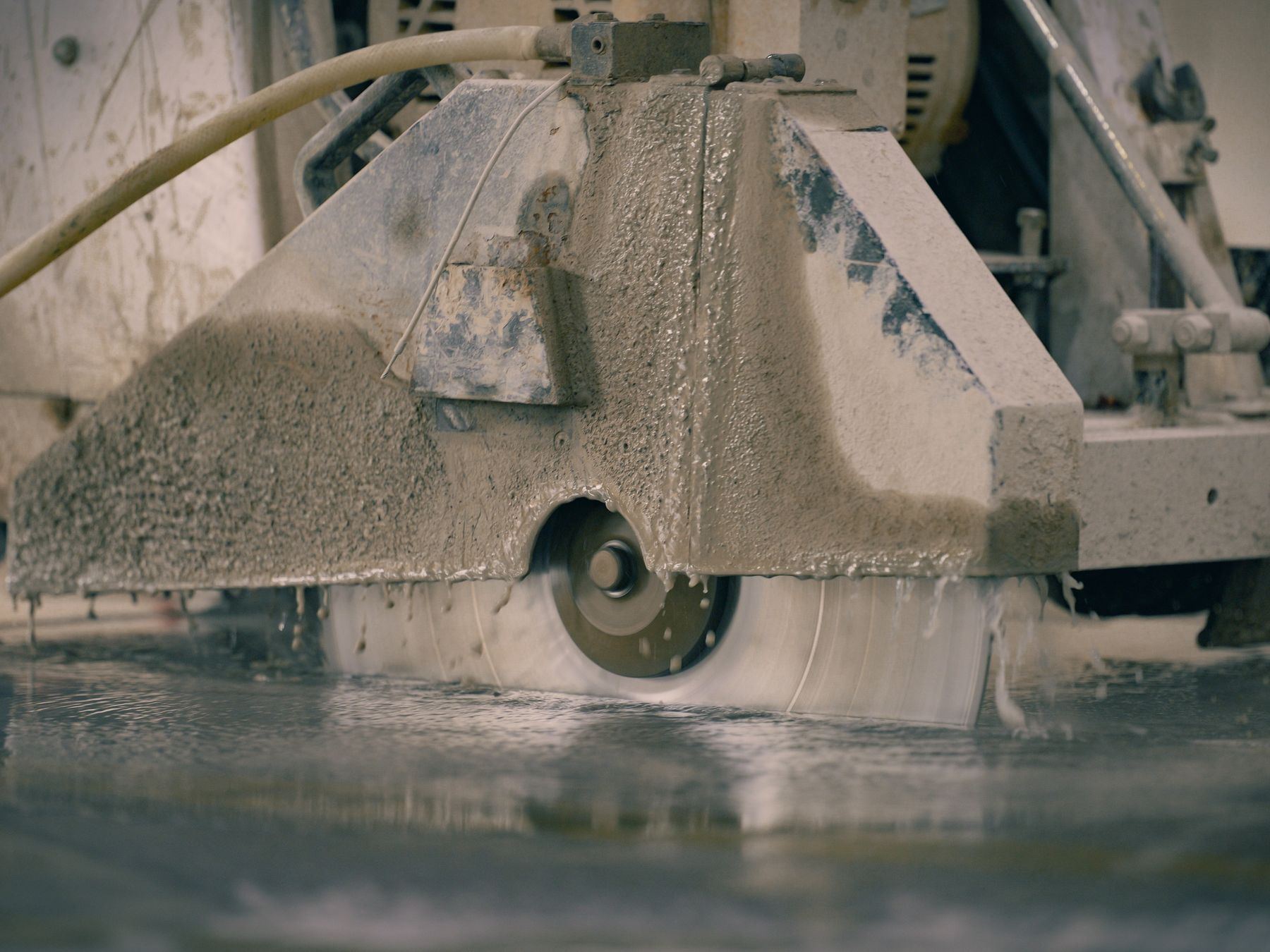
What happens after you describe the damage
You supply a few details about the floor. A specialist firm takes it from there, deciding whether to fix a delaminating epoxy floor with targeted patches or relay the entire area.
What a specialist does
- Review the description and photographs
- Visit the site to test moisture and measure the damaged area
- Recommend patch repair or a full re-lay based on their findings
- Prepare the concrete by grinding or shot blasting the failing sections
- Apply the new resin system and allow it to cure
What you do
- Describe the damage and where it sits in your unit
- Provide photos if you have them
- Make the area accessible for inspection
How your enquiry is handled
Details you submit go to specialist flooring firms operating in the United Kingdom. They read the description, decide if a site visit is required, and contact you directly to discuss the work.
-
The same day it is sent
Your description and any photographs are forwarded to firms that handle resin screed repair in the UK.
-
A specialist usually replies.
A specialist reviews the information and calls you to arrange a survey or ask for more detail.
-
After the site visit
The firm provides a written scope of work and price for repairing or replacing the floor.
Questions about resin floor repair
If your question is not here, send it through the enquiry form and a specialist firm will answer it directly. Ask a question.
- My resin floor has potholes around the loading door, can that be patched?
- Yes. Potholes at loading doors happen because of repeated tyre scrubbing. A specialist grinds out the loose material, primes the exposed concrete and fills the crater with a fast-curing resin mortar. The patch is levelled flush so pallet trucks roll over it without catching.
- How do you decide between repairing patches and relaying the whole floor?
- The decision depends on how much of the surface has lost adhesion. If damage is localised to traffic lanes or doorways, patching works. When moisture readings show widespread failure or more than a third of the coating is lifting, a specialist will recommend removing and relaying the entire floor.
- Will the repair match the colour of the existing floor?
- A close match is possible if the original RAL colour code is known. Sunlight and chemical exposure fade resin over time, so a fresh patch may look slightly brighter at first. After a few weeks of use the difference becomes less obvious.
- How long before forklifts can run over a repaired area?
- Most epoxy patch repairs need 24 to 48 hours before they take forklift traffic, depending on ambient temperature and the product used. Polyurethane systems sometimes cure faster. The specialist will state the exact return-to-service time before starting work.
- Can joints that have cracked be filled or do they need cutting out?
- Cracked floor joint repair in a warehouse usually involves cutting out the failed resin along the joint line, cleaning the gap and installing a flexible polyurethane sealant. Rigid epoxy cannot bridge a moving joint, so the filler must move with the slab.
- Is a failing floor something our building insurance would cover?
- Insurance rarely covers wear from normal use or gradual delamination caused by rising damp. Sudden damage from a specific event, like a burst pipe flooding the slab, might qualify. Check your policy wording and speak to the specialist firm about documenting the cause.
- Can repairs be done section by section so we keep the unit running?
- Phased repair is standard practice. A specialist divides the floor into zones and works on one aisle or bay at a time, often outside normal shift hours. This lets operations continue in the rest of the building while the resin cures.
- What do you need to see before you can quote for repairs?
- Photographs of the worst areas, the approximate square metreage affected and the type of traffic the floor takes all help. A specialist will still want to visit the site to check moisture levels and measure the existing coating thickness before confirming a price.
Resin floor repairs across the United Kingdom
Resin floor repair keeps a failing surface working without the cost or downtime of a full re-lay. Specialist firms across the United Kingdom handle delamination, potholes and cracked joints in warehouses, factories and smaller units.
If your town is not listed, send an enquiry anyway. Coverage extends nationwide.
Get a specialist to look at your failing floor
Describe the damage and find out whether a patch repair will hold or the floor needs relaying. The assessment is handled by firms working across the United Kingdom.