Floor systems
Epoxy resin flooring for industrial floors
Find out what epoxy resin flooring involves, how a specialist tests your concrete slab before quoting, and which system suits foot traffic or forklifts. Decide whether coatings, self-levelling or high-build epoxy fits your home or unit.
System types
Epoxy systems available across the UK
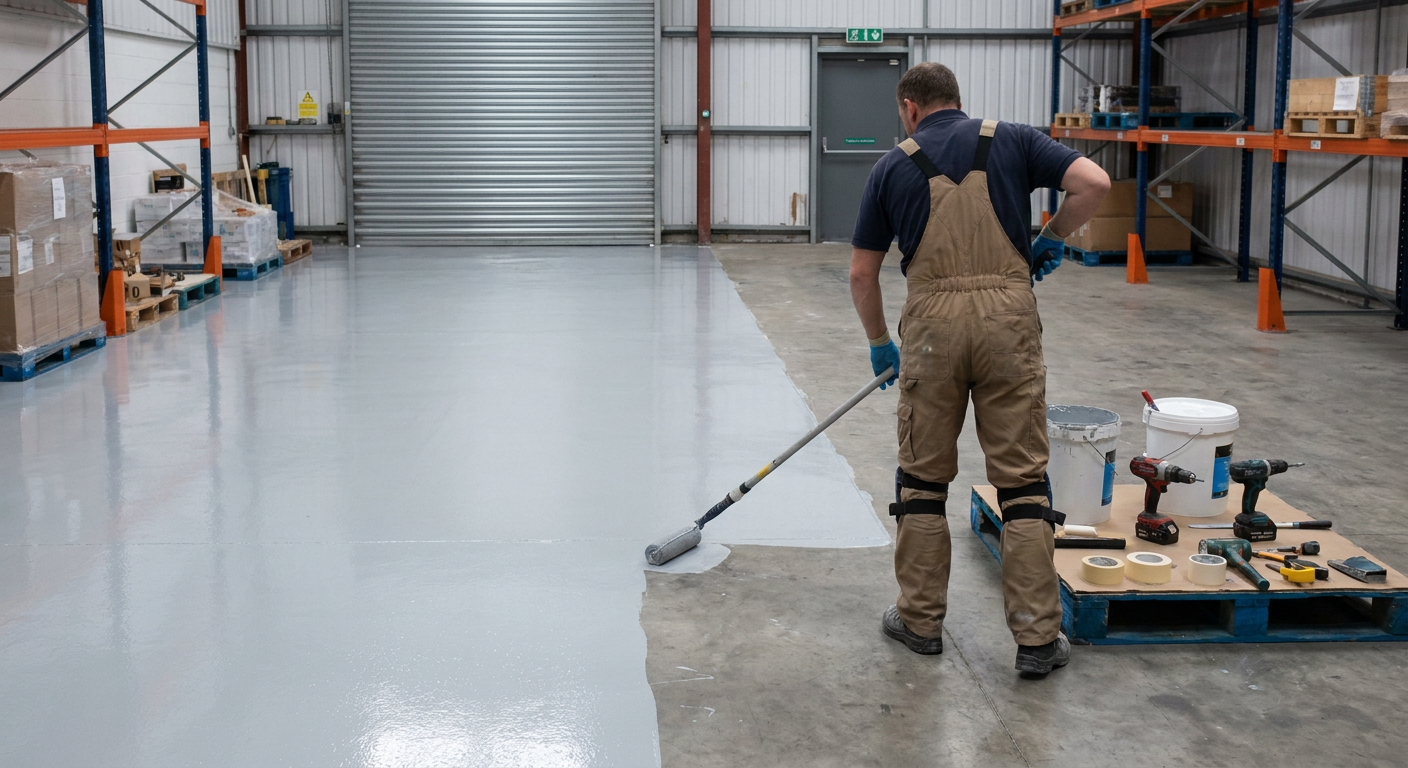
- Roller-applied coatings
- A thin film of resin rolled onto prepared concrete. Suitable for light foot traffic in garages or storage rooms where heavy loads do not pass over the surface.
- Self levelling epoxy floor
- Poured at two to three millimetres thick, this flows into a flat, joint-free surface. Used in showrooms, clean rooms and areas needing a smooth finish underfoot.
- High build epoxy flooring
- Applied thicker than a standard coating without fully self-levelling. Handles moderate wheeled traffic and gives a durable surface where a painted finish would wear too fast.
- Industrial epoxy coating system
- Multi-layer builds with primer, body coat and seal. Designed for warehouses and factories where pallet trucks and forklifts run daily across the same aisles.
- Mortar screeds
- Trowelled epoxy mixed with graded aggregates for depths above five millimetres. Takes point loads, steel wheels and thermal shock in processing areas or loading bays.
Slab checks
What a specialist tests before laying epoxy
Applying resin over an untested slab risks peeling or bubbling within months. A specialist runs these checks first.
- Moisture vapour emission A hygrometer or calcium chloride test measures moisture rising through the concrete. High readings mean a moisture-tolerant primer or a vapour barrier is needed before any resin goes down.
- Surface tensile strength A pull-off test confirms the concrete can hold the bond. Weak or dusty slabs need grinding or shot blasting to reach sound material before priming begins.
- Contamination mapping Oils, old adhesives and curing compounds block adhesion. The specialist identifies them so they can be removed mechanically or chemically during preparation.
- Flatness and levels Laser surveys show dips and falls. Self-levelling systems need a minimum depth to flow properly, so low spots may require patching or screeding first.
Typical costs for epoxy work in the UK
Prices shift because every slab differs in size, condition and access. Preparation depth, the number of coats, cure times between layers and whether the space must stay operational all move a job up or down within these ranges.
-
Garage floor coating
£800 to £2,500
Floor area, oil stains needing removal and whether a flake or solid colour finish is chosen.
-
Warehouse roller-applied epoxy
£15 to £35 per m²
Total square metreage, bay access for machinery and the level of surface preparation required.
-
Self-levelling epoxy pour
£40 to £80 per m²
Depth specified, slab flatness and the complexity of edges or drainage falls.
-
Heavy-duty industrial build
£60 to £120 per m²
Number of layers, aggregate broadcast for grip and downtime constraints during application.
These figures indicate what work of this type typically costs across the United Kingdom. Nothing here is a quotation. Only a site inspection settles a price for one specific home or unit.
On site
How epoxy floor installers in the UK work
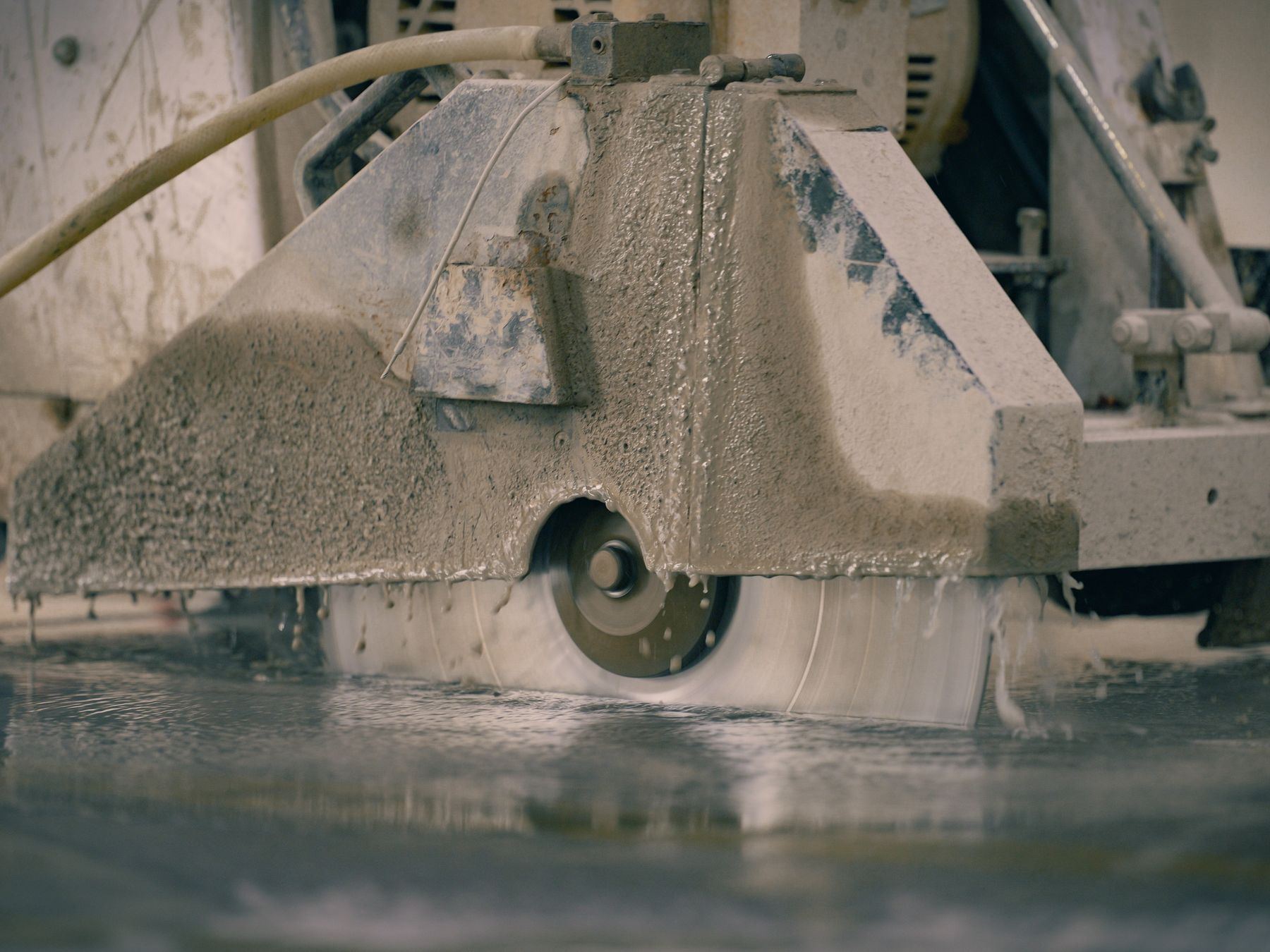
Preparation takes longer than the pour. Diamond grinding or shot blasting opens the concrete pores so the primer bonds mechanically rather than sitting on top of dust or laitance.
Primer seals the slab and stops air bubbles rising through later coats. On damp substrates, a specialist selects a moisture-tolerant grade formulated for that exact reading.
Each layer cures before the next goes down. Rushing recoat windows traps solvent, leaving a soft film that marks easily underfoot or delaminates under tyre shear.
Topcoats carry the colour, slip resistance and chemical protection. Aggregates scattered while wet give grip; clear seals lock them in and resist oils or cleaning chemicals.
Questions about specifying an epoxy floor
Answers to the things people ask before deciding on a system for their home or workspace.
- Thickness needed for my traffic
- Foot traffic needs one to two millimetres. Pallet trucks need three to four. Forklifts with hard tyres or point loads demand five millimetres or more. An epoxy floor thickness guide helps match depth to use.
- Self-levelling versus painted coating
- They differ entirely. Paint sits as a thin film under half a millimetre. Self-levelling epoxy pours at two to three millimetres, flows flat and bridges minor surface imperfections in the concrete.
- Moisture lifting the epoxy
- Yes, if unmeasured. Vapour pressure pushes the film off the slab. Testing first tells the specialist whether a standard primer works or a moisture-mitigating system is required.
- Walking and driving times
- Light foot traffic usually returns after twelve to twenty-four hours. Full cure for vehicle loads takes five to seven days, though some fast-cure formulations shorten this window.
- Laying over an old coating
- Rarely advisable. Old paint peels and takes the new resin with it. Grinding back to bare concrete gives the new system something solid to grip.
- Finishes and colours
- Any RAL colour can be mixed in. Finishes range from gloss to satin, with quartz or aluminium oxide broadcasts added for slip resistance in wet zones.
Where epoxy flooring specialists operate
Enquiries are taken for homes and units across the United Kingdom. Specialist firms cover England, Scotland, Wales and Northern Ireland, working in domestic garages, commercial warehouses and industrial processing spaces nationwide.
If your town is not listed, send an enquiry anyway. Coverage extends throughout the country.
Request a quote for your epoxy floor
Send details about your slab, its size and what crosses it. A specialist firm receives the enquiry and arranges a site visit. Submitting a form does not commit you to any work or payment.
- No obligation to proceed
- Site visit required to quote
- Details speed things up