Curing times
Epoxy floor drying time and how long curing takes
Downtime decides whether a resin floor can be done at all. Find out how long epoxy takes to dry before foot traffic, forklifts and chemicals are safe, and how a specialist plans phasing around production in a UK unit.
What epoxy floor drying time actually means
When someone searches for epoxy floor drying time they are usually asking how long the site will be out of action. The answer depends on what the floor needs to bear next. A resin system does not simply dry like paint. It cures through a chemical reaction between two parts, and that reaction continues long after the surface feels solid underfoot.
How long epoxy takes to dry varies with the product chosen, the thickness applied and the conditions inside the building. A thin roller-applied coating might accept light shoes within twelve hours, while a heavy-duty screed laid several millimetres thick needs far longer. The specialist firm carrying out the work selects the system based on the downtime available and the loads the floor must take once the unit reopens.
Understanding these stages matters because planning around them is the difference between a smooth handover and a costly delay. Every hour counts when racking needs to go back up and stock needs to move. A clear picture of the cure schedule lets the site manager sequence everything else around it.
Foot traffic and the first stage of the cure
Staff walking on a new epoxy floor too soon leaves marks that cannot be removed later. Most systems reach a point where soft-soled shoes cause no damage within twelve to twenty-four hours, but hard heels or dragging feet can still scuff the surface if the resin has not set far enough.
The specialist will state a specific window for pedestrian access. That window assumes normal indoor temperatures. In a cold UK warehouse during January, the same product might need twice as long to reach that stage. Resin floor curing in a cold warehouse slows the chemical reaction, so the timeline stretches accordingly.
Until that first milestone passes, the area needs to stay sealed off. Barrier tape and clear signage keep people from wandering across a floor that looks finished but is still soft underneath. Rushing this stage risks imprinting every footprint permanently into the coating.
Forklift traffic and heavier loads
Deciding when a forklift can drive on a new floor requires more caution than allowing foot traffic. Pneumatic tyres distribute weight differently from solid cushion tyres, and a turning counterbalance forklift exerts shear forces that a person walking never produces.
Most standard epoxy systems need at least three to five days before they can handle regular forklift movement. Thicker polyurethane or heavy-duty epoxy screeds may need seven days or more. The exact figure comes from the technical data sheet for the specific product installed, and the specialist firm bases its advice on that document rather than guesswork.
Driving machinery onto the surface prematurely causes permanent deformation. Tyre marks press into the soft resin, leaving ridges that catch dirt and make cleaning difficult. The bond between the coating and the concrete can also break, causing delamination that demands expensive repair. Floor coating downtime planning has to account for this waiting period so drivers know exactly when aisles reopen.
Temperature and the speed of the cure
Epoxy resins rely on warmth to react properly. The ideal application temperature sits above fifteen degrees Celsius, and many products specify a minimum of ten degrees for both the air and the concrete slab. Below that, the reaction slows dramatically.
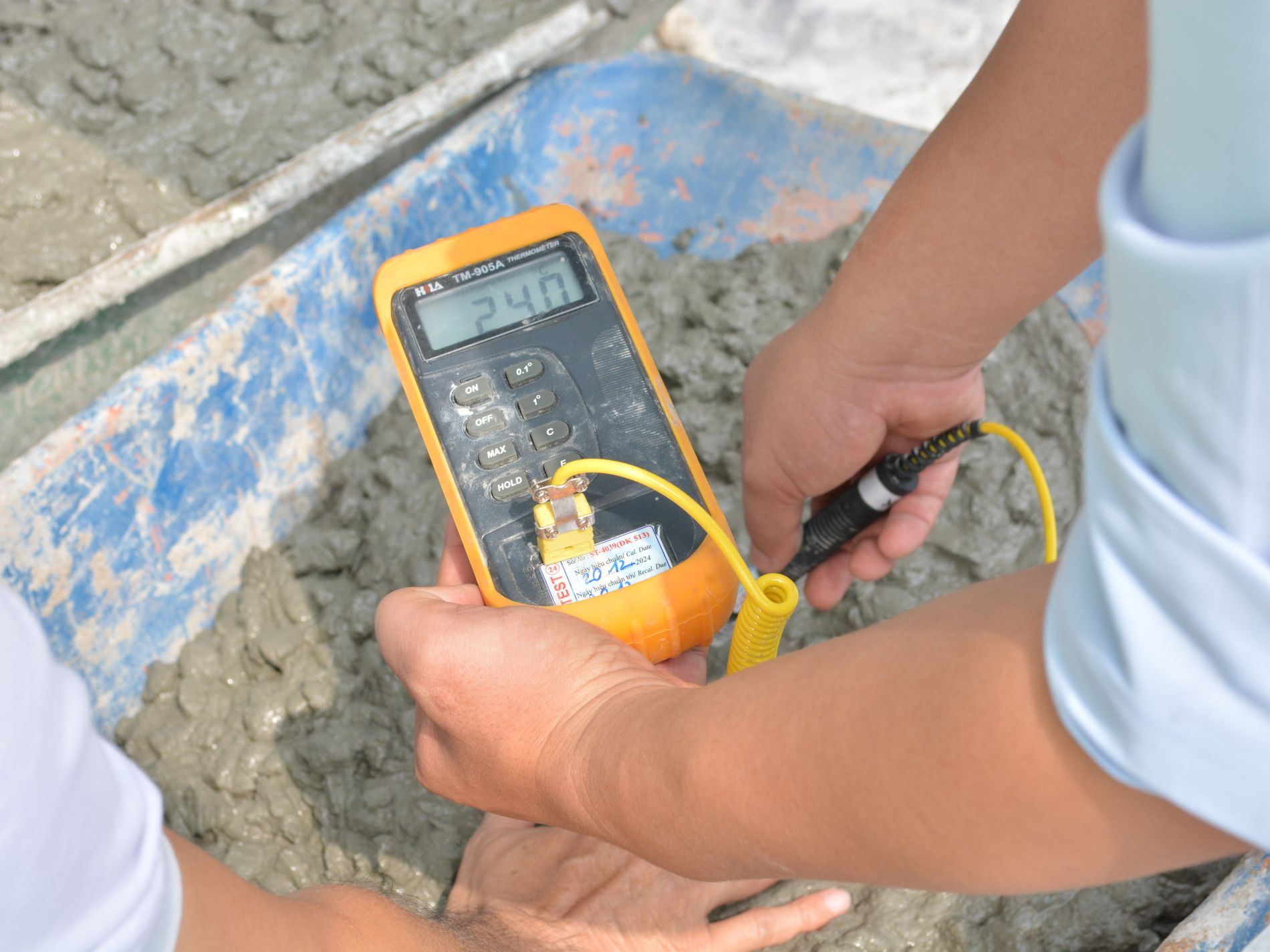
In unheated industrial units across the United Kingdom, winter temperatures regularly fall below these thresholds. Portable heaters raise the ambient temperature, but the slab itself holds cold for much longer than the air above it. A specialist firm measures the concrete temperature directly, not just the room air, before mixing any resin.
If the temperature drops overnight after application, the surface can develop a waxy film called amine blush. This contamination prevents subsequent coats from bonding and must be washed off before work continues. Scheduling the pour for the warmest part of the day, or running heaters continuously through the night, avoids this problem. Cold weather does not prevent installation, but it changes the timetable significantly.
Working in sections to limit downtime
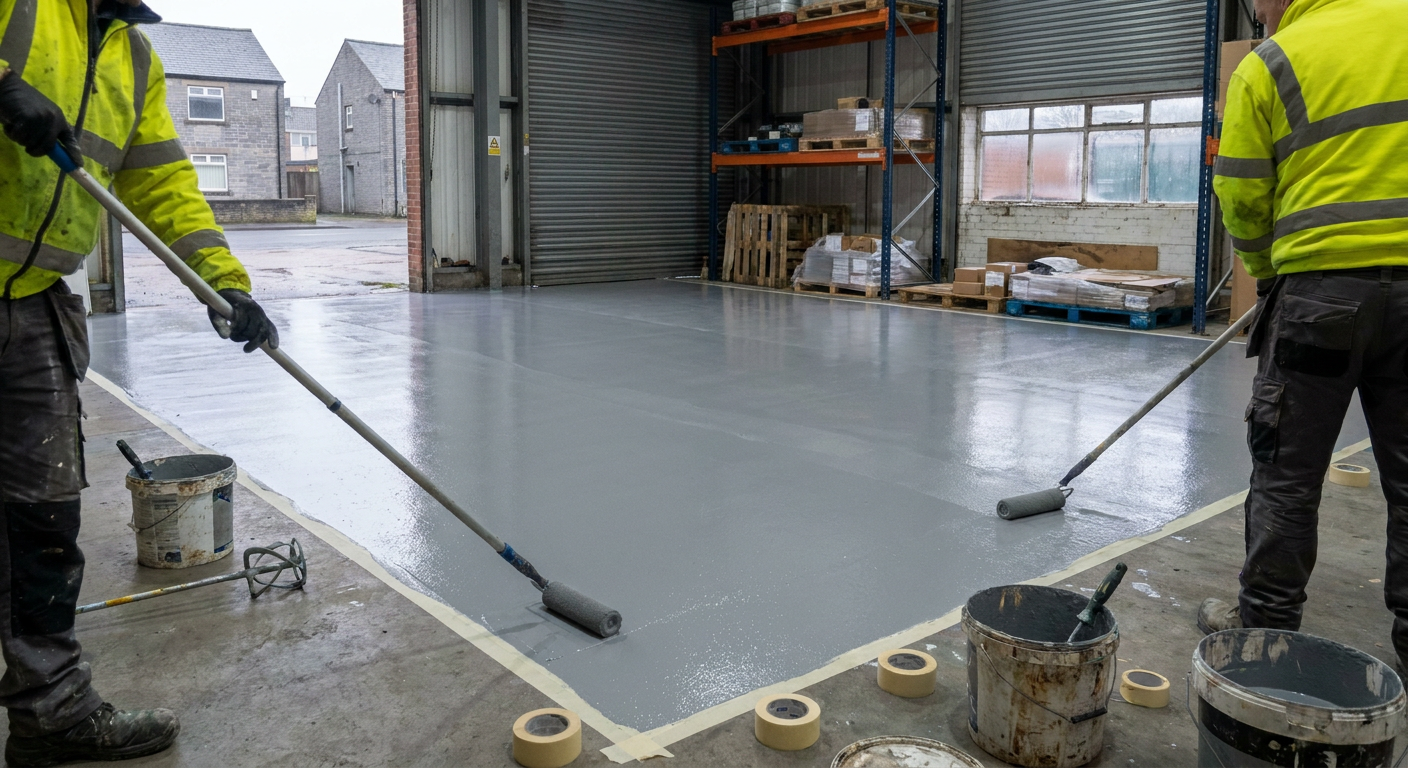
Shutting down an entire distribution centre to coat the floor is rarely practical. Phased installation splits the space into zones so one area cures while operations continue in another. The specialist firm maps out a sequence that keeps goods moving and respects the cure time each zone requires.
Joints between phases need careful treatment. If the second pour happens after the first has fully cured, the edge must be mechanically prepared to ensure the new resin bonds to the old. If it happens while the first is still tacky, the two sections fuse together without a visible seam. Timing the overlap correctly is part of the planning process.
An overnight industrial floor install suits smaller areas or urgent repairs. The crew arrives after the last shift, prepares the concrete, applies the coating and clears the space before morning. Fast-cure formulations make this possible, though they cost more per square metre than standard systems and leave less margin for error during application.
Full cure and returning to normal use
A floor that accepts forklift traffic is not yet fully cured. The chemical reaction continues for seven to fourteen days depending on the product, during which the resin reaches its maximum hardness and chemical resistance. Until that full cure completes, aggressive wash-down fluids or spilled solvents can soften the surface.
Placing heavy racking legs on a partially cured floor concentrates enormous point loads onto resin that has not reached its final compressive strength. Pallet racking should wait until the specialist confirms the system has hardened completely. Stock loading follows the same rule.
Once the full cure is achieved, the floor handles routine cleaning, chemical exposure and mechanical wear as designed. Maintenance then shifts to daily sweeping and periodic washing using compatible detergents. The specialist provides guidance on which cleaning agents suit the installed system, ensuring the coating lasts as long as expected under the specific conditions of the site.
Signs a floor was used before it cured
Rushing traffic onto fresh resin leaves physical evidence. These marks appear when the surface bears weight before the chemical reaction has progressed far enough to resist it.
- 1
Tyre track impressions
Dark lines or ridges pressed into the coating where wheels sat or turned while the resin remained soft enough to deform.
- 2
Scuff marks from shoes
Smudged trails across the surface left by pedestrians walking on the floor earlier than the specified waiting period allowed.
- 3
Lifting at edges or joints
Sections of coating separating from the concrete substrate because early stress broke the developing adhesive bond.

- 4
Dull patches or hazing
Areas where the gloss finish appears uneven, often caused by moisture or contamination settling on resin that had not skinned over.
Questions about curing and downtime
These are the points site managers raise most often when planning a resin floor installation around active operations.
- Walking on a new epoxy floor
- Soft-soled shoes are typically safe after twelve to twenty-four hours, depending on the product and the ambient temperature inside the unit.
- Forklifts on the new surface
- Counterbalance trucks usually need three to seven days. The specialist firm states the exact window based on the installed system.
- Cold weather effects
- Low temperatures slow the reaction. In an unheated warehouse, expect longer waiting periods unless portable heating keeps the slab warm.
- Phasing the installation
- Zoning the floor allows part of the unit to remain operational. Each section follows its own cure schedule before reopening.
- Replacing racking and stock
- Point loads from racking legs require the resin to reach full hardness. Wait until the specialist confirms complete cure, often seven to fourteen days.
- Washing with chemicals
- A full cure epoxy withstands chemical wash-downs. Using harsh detergents before that stage risks softening or staining the surface.
Plan your floor downtime
Send details about your unit and the work you need. A specialist firm will review the information and outline a realistic schedule. There is no obligation to proceed.
- No commitment required
- Specialist response
- UK-wide coverage