Line Marking
Warehouse floor line marking for aisles and bays
Find out how warehouse floor line marking keeps aisles, walkways and bays clearly defined. Learn what a specialist considers before applying paint to a coated or bare concrete surface, and how layout decisions are made on site.

Marking Types
What Gets Marked on a Warehouse Floor
- Aisle lines
- Aisle marking on a warehouse floor defines where racking ends and traffic begins. Straight, continuous lines keep forklift operators within their lane and prevent drift into storage zones.
- Pedestrian walkways
- To paint walkway lines in a factory or depot, a specialist uses contrasting colours so staff can see the route instantly. Pedestrian walkway paint in a depot separates foot traffic from vehicles.
- Forklift lanes
- Forklift lane marking across UK warehouses directs heavy traffic away from picking faces. These lines must withstand constant tyre scrubbing without lifting or fading under load.
- Hatching
- Diagonal hatching fills areas where nothing should be stored or parked, such as fire exits, electrical panels or loading zones that must stay clear at all times.
- Bay numbers
- Bay number painting in an industrial unit places large numerals directly on the floor so drivers and pickers can locate positions without stopping to check signage above.
Before Marking
Setting Out the Layout Before Any Paint Goes Down
The lines only work if the spacing is right. A specialist establishes the geometry before opening a tin.
- Measuring the space Racking positions dictate aisle widths. The specialist measures between uprights and checks turning circles so forklifts can enter and leave bays without clipping edges.
- Choosing materials Bare concrete absorbs paint differently than a sealed epoxy surface. The type of substrate determines whether a primer, a two-pack epoxy paint or a polyurethane topcoat is used.
- Planning around shifts Most units cannot shut down entirely. Work is broken into zones so one area dries while another remains open for picking and dispatch.
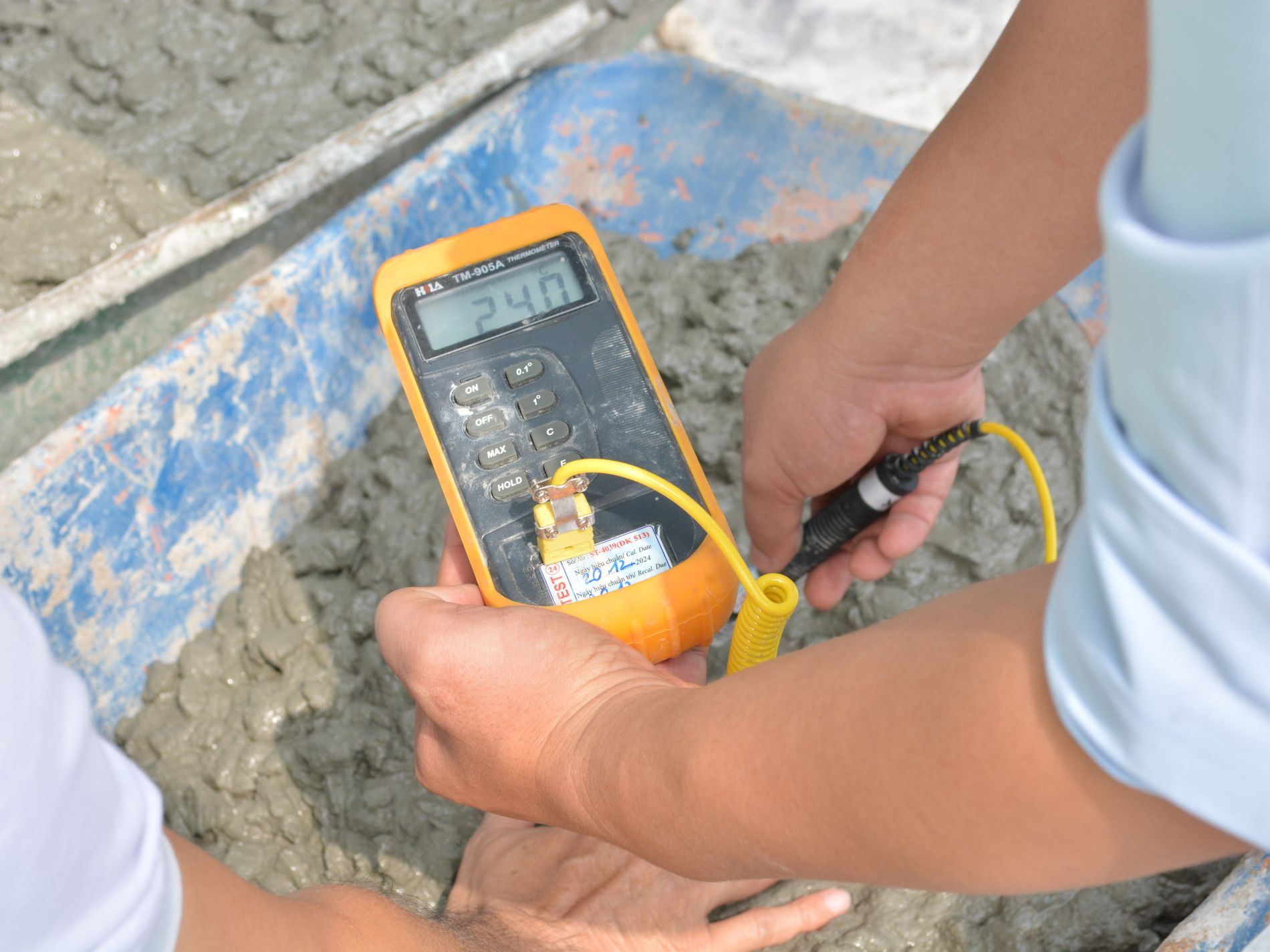
- Checking moisture levels If the concrete has no coating, dampness affects adhesion. Moisture readings tell the specialist whether a sealant must go down first or if the slab is ready for direct application.
Typical Costs for Floor Line Marking Work
Prices vary because every unit differs in size, condition and complexity. A small zone with straight lines costs less than a full layout with hatching, numbers and pedestrian crossings. Surface preparation adds time, and working outside normal hours carries its own rate.
-
Straight aisle lines per metre
£3 to £8
Total length required and whether the existing floor needs cleaning or grinding first.
-
Pedestrian crossing hatching
£80 to £250
Size of the marked zone and the number of colours involved in the pattern.
-
Bay number stencilling
£15 to £40 each
Height of the numeral and whether a background box is painted behind it.
-
Full warehouse re-marking
£1,500 to £6,000
Square footage, the amount of old paint to remove and access restrictions during shifts.
These figures indicate what work of this type typically costs. Nothing here is a quotation. Only a site inspection settles a price for one specific building.
How This Enquiry Process Works
Warehousefloor takes enquiries about resin flooring and line marking. Separate specialist firms carry out the work on their own account. Each firm assesses the site, quotes directly and completes the job independently.
- Enquiries are received and passed to specialists who operate independently
- No fee is charged for submitting details about your floor
- Each specialist sets their own prices and schedules directly with you
- Site surveys are arranged between you and the firm doing the work
Questions About Warehouse Line Marking
- Waiting after a new epoxy coating
- A fresh epoxy floor needs to cure fully before lines are applied. Most specialists wait five to seven days, depending on temperature and the product used, so the paint bonds properly rather than sitting on uncured resin.
- Marking while the unit stays open
- Work proceeds in sections. One aisle is taped, painted and cordoned off while picking continues elsewhere. Fast-drying materials reduce the time each zone is out of action.
- Deciding where walkways go
- You know your traffic flow best, but the specialist advises on minimum widths and sight lines. The final layout is agreed together before any masking tape goes down.
- Moving racking later
- Old bay numbers and hatching can be ground off or covered with a patch coat. If racking moves frequently, some sites use removable vinyl markers instead of paint.
- Clearing the floor beforehand
- Only the active zone needs clearing. Pallets and bins are shifted to the next section. Sweep the area free of dust and debris so the paint adheres cleanly.
- Lines on bare concrete
- Bare concrete can take line paint, but porous slabs may need a sealer first. Without it, the paint sinks in and fades quickly under forklift tyres.
Where Floor Line Marking Takes Place
Enquiries are accepted for warehouse and industrial units across the United Kingdom. The separate specialist firms that carry out floor line marking cover all regions, so location does not limit who responds.
If your town is not listed, still enquire. Firms travel throughout the country.
Ask About Line Marking Your Warehouse
Send the dimensions and current floor condition. The details go to a specialist who will contact you to discuss the layout. There is no obligation to proceed beyond that conversation.
- No cost to enquire
- No obligation to proceed
- Specialists reply directly