Food and drink
Food factory flooring for hygienic wet areas
Find out which resin systems survive hot washdown, how coving is formed at the wall junction, and what a specialist needs to know about your processes before quoting food factory flooring.
Resin systems that cope with daily hot washdown
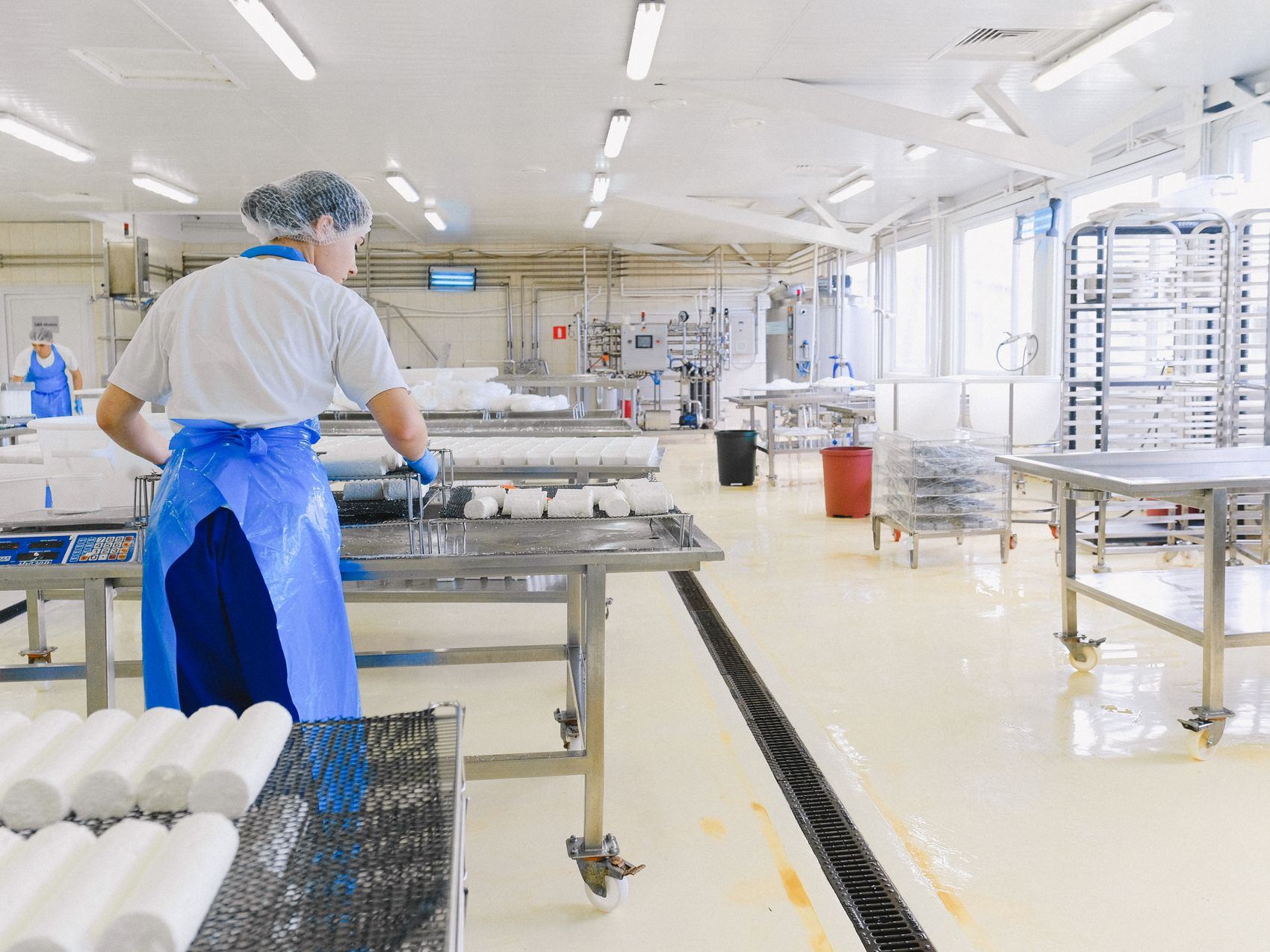
A washdown resin floor factory managers rely on must tolerate high temperatures, caustic detergents and constant water exposure. Epoxy coatings alone tend to soften or blister under repeated steam cleaning. Polyurethane screed food plant installers use is built for this environment. It handles thermal shock because its flexibility absorbs the rapid expansion and contraction caused by alternating steam and cold rinse water.
Hygienic flooring food production environments demand does not just mean a smooth surface. The system must resist lactic acids, sugars, fats and cleaning chemicals without degrading. A polyurethane screed applied at sufficient thickness gives you that chemical resistance while standing up to pallet trucks and stainless steel trolleys. If you need to understand how thickness affects performance, the guide on resin floor thickness covers the relationship between depth and load tolerance.
The same chemistry works in chilled or frozen areas as well as wet process rooms. Polyurethane remains stable at low temperatures where rigid epoxies can become brittle. So one system can run from the blast freezer through to the cooking hall without changing specification at the threshold.
Coving, drainage falls and detailing
Where the floor meets the wall is the first place bacteria colonise if the joint is left square. Cove skirting bakery floor and dairy teams specify is formed by applying the resin in a continuous radius up the wall, usually 100mm to 150mm high. This eliminates the right angle so a hose or brush passes over it without leaving residue behind. An antibacterial floor dairy unit operators choose relies on this detail as much as the resin chemistry itself.
Drainage falls food factory floor designers plan are created during the screed application. The specialist lays the material to precise gradients directing surface water toward channel drains or gullies. Because the screed is trowel applied, falls can be formed in multiple directions across a single room without creating ridges where water pools.
Getting these details right depends on the substrate. Preparation matters: grinding or blasting removes laitance and opens the pores so the resin bonds mechanically. If the concrete is damp, moisture testing determines whether a moisture tolerant primer is needed before anything else goes down.
Working around production without contaminating product
Food plants rarely shut down entirely for a floor project. The specialist phases the work, isolating bays with temporary partitions and running extraction to keep dust and vapour away from open product lines. Scheduling happens around your shifts, often overnight or during planned hygiene stops.
Taint and smell are genuine concerns in food production. Solvent free and low odour polyurethane systems are standard for this reason. Once the resin has cured, volatile emissions drop to negligible levels. Curing time varies with temperature and humidity. In a chilled room the reaction slows, so the specialist factors that into the programme. You will know exactly when foot traffic can resume and when full production can restart before any work begins.
Before quoting, the specialist needs to understand your processes. They will ask about the chemicals used in cleaning, the temperature range of the room, the type of traffic (steel wheeled trolleys, rubber tyred forklifts, foot traffic), the condition of the existing slab and the location of drains. That information determines the system, the thickness and the preparation method.
Signs your production floor is failing hygiene checks
Concrete in food production takes a beating from heat, chemicals and water. When the surface starts to break down, contamination risk rises and auditors take notice.
- 1
Blistering near drains
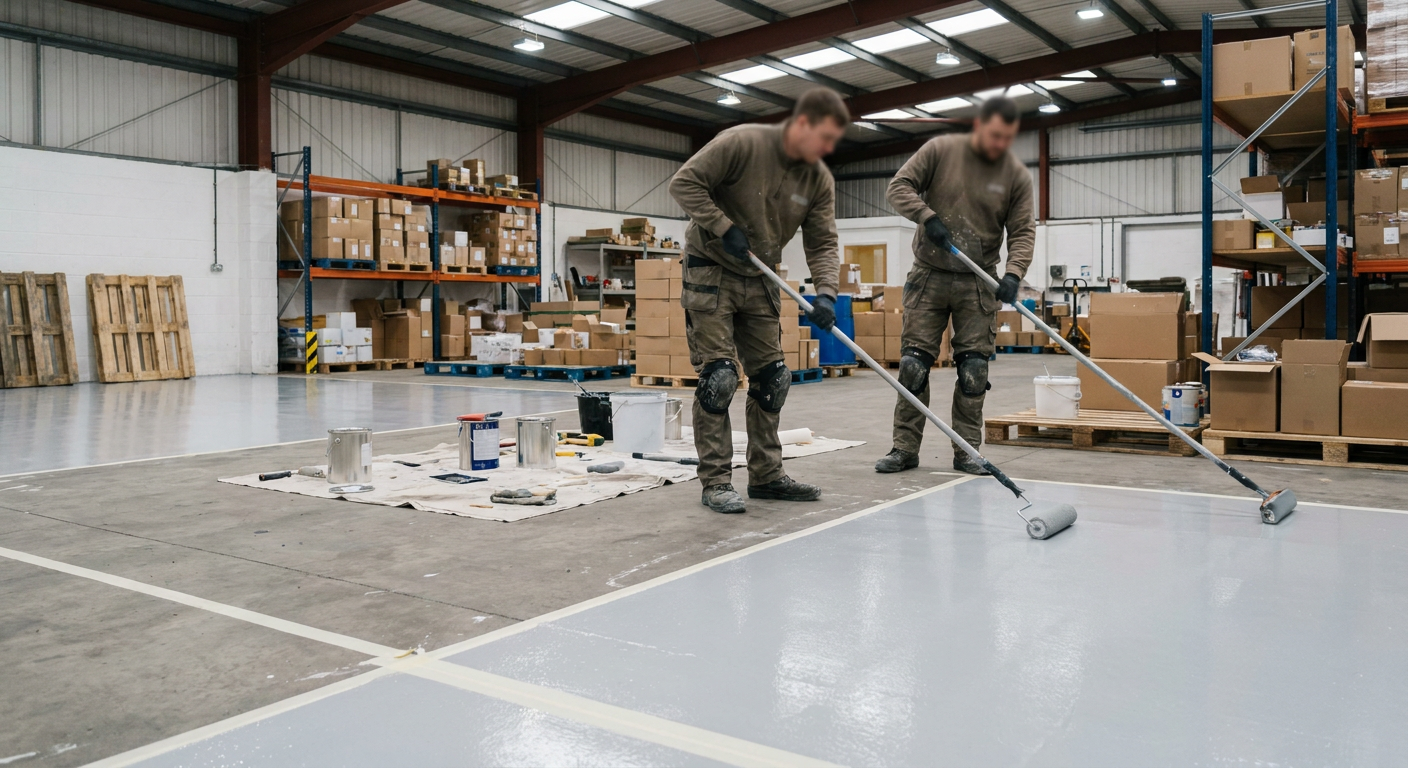
Bubbles or raised patches around wet areas suggest moisture trapped beneath the coating, often from steam or standing water breaking the bond.
- 2
Cracks at the wall joint
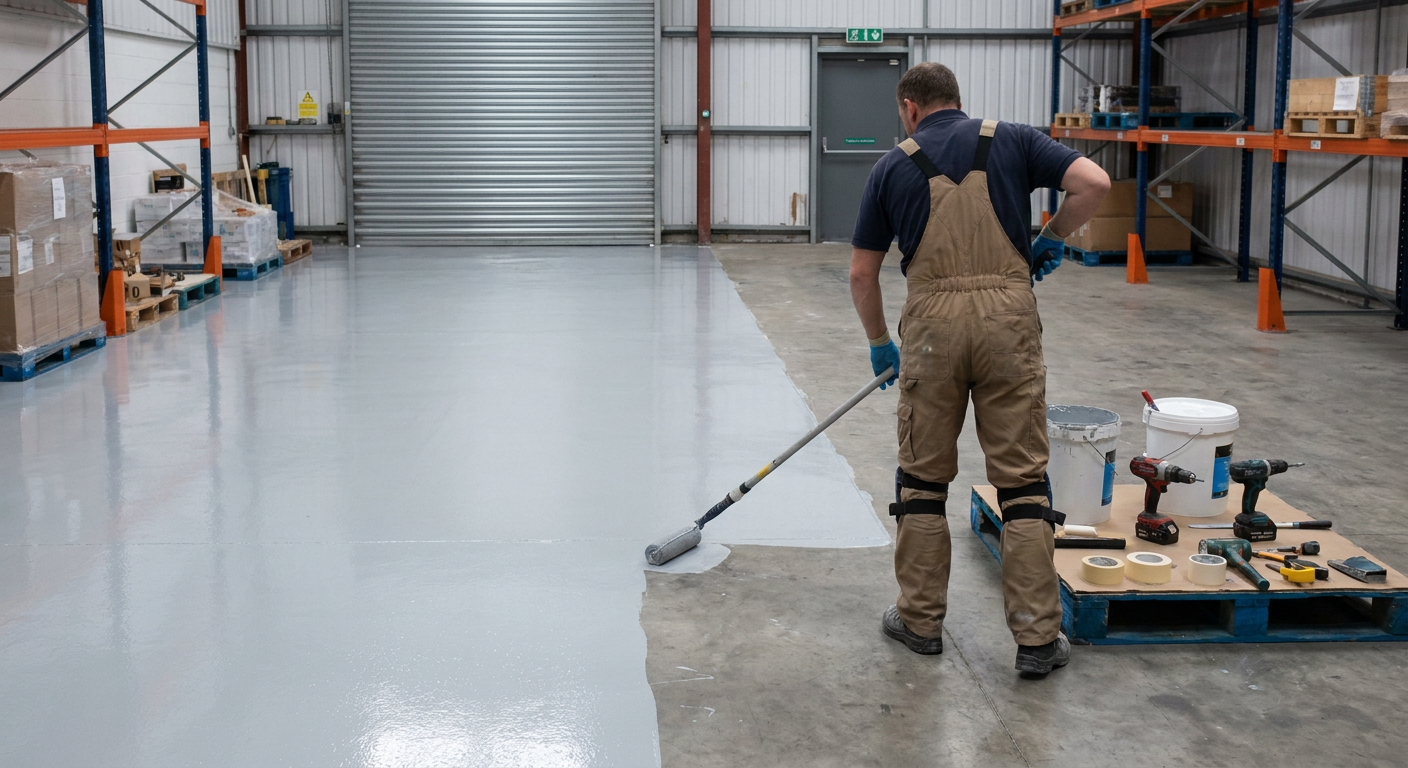
A visible gap where the floor meets the wall means the cove has failed, leaving a space where bacteria can settle undetected.
- 3
Soft or sticky patches
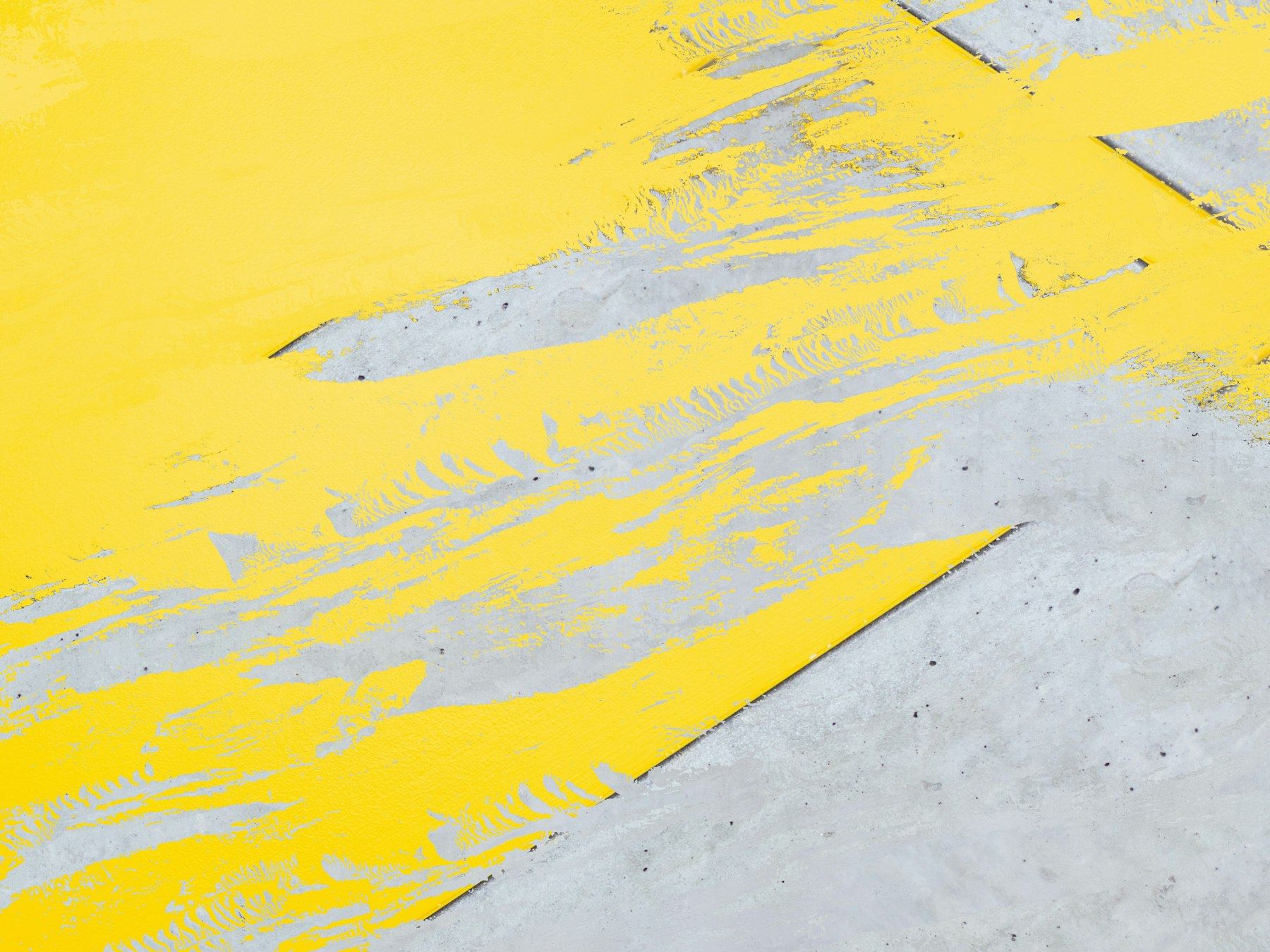
Areas that feel tacky underfoot may indicate chemical attack from acids or sugars degrading the resin surface.
- 4
Standing water after washdown
Pools that remain after the floor should have drained point to lost falls or substrate movement altering the gradient.
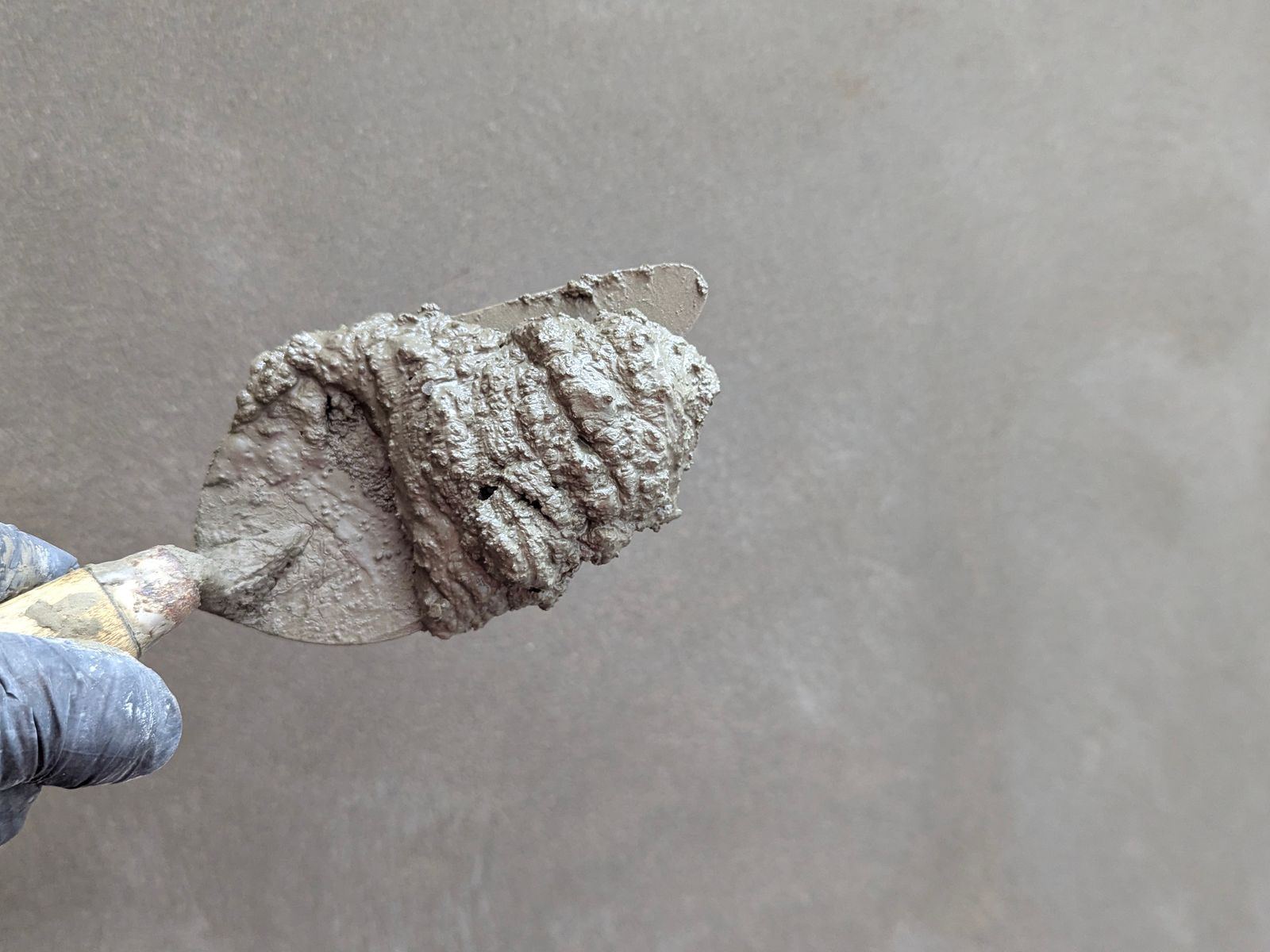
What specialists handle
Floor services for food production
- Polyurethane screeds
- Heavy duty resin screeds laid to falls, built for thermal shock, steam cleaning and chemical exposure in processing areas.
- Epoxy resin coatings
- Thinner resin systems for dry packing halls, storage rooms and areas without hot washdown demands.
- Coved skirting
- Radius detailing formed at wall junctions to remove sharp angles and allow full washdown without residue.
- Anti slip finishes
- Aggregate broadcast or textured topcoats applied to wet areas where staff safety requires grip underfoot.
- Drainage integration
- Falls formed during installation to direct surface water into existing channels or newly cut gullies.
- Resin floor repairs
- Localised patching of worn or damaged sections without replacing the entire floor, keeping downtime short.
Tell us about your floor
Send the details of your site and the problem you need solved. A specialist firm reviews the information and responds directly. There is no obligation to proceed.
- No obligation
- Specialist response
- UK coverage