Specification guide
How thick should a resin floor be? From 0.3mm to 9mm
Quotes for the same warehouse floor can differ by millimetres. Find out what each thickness actually buys you, so you can read a specification and compare prices with confidence.
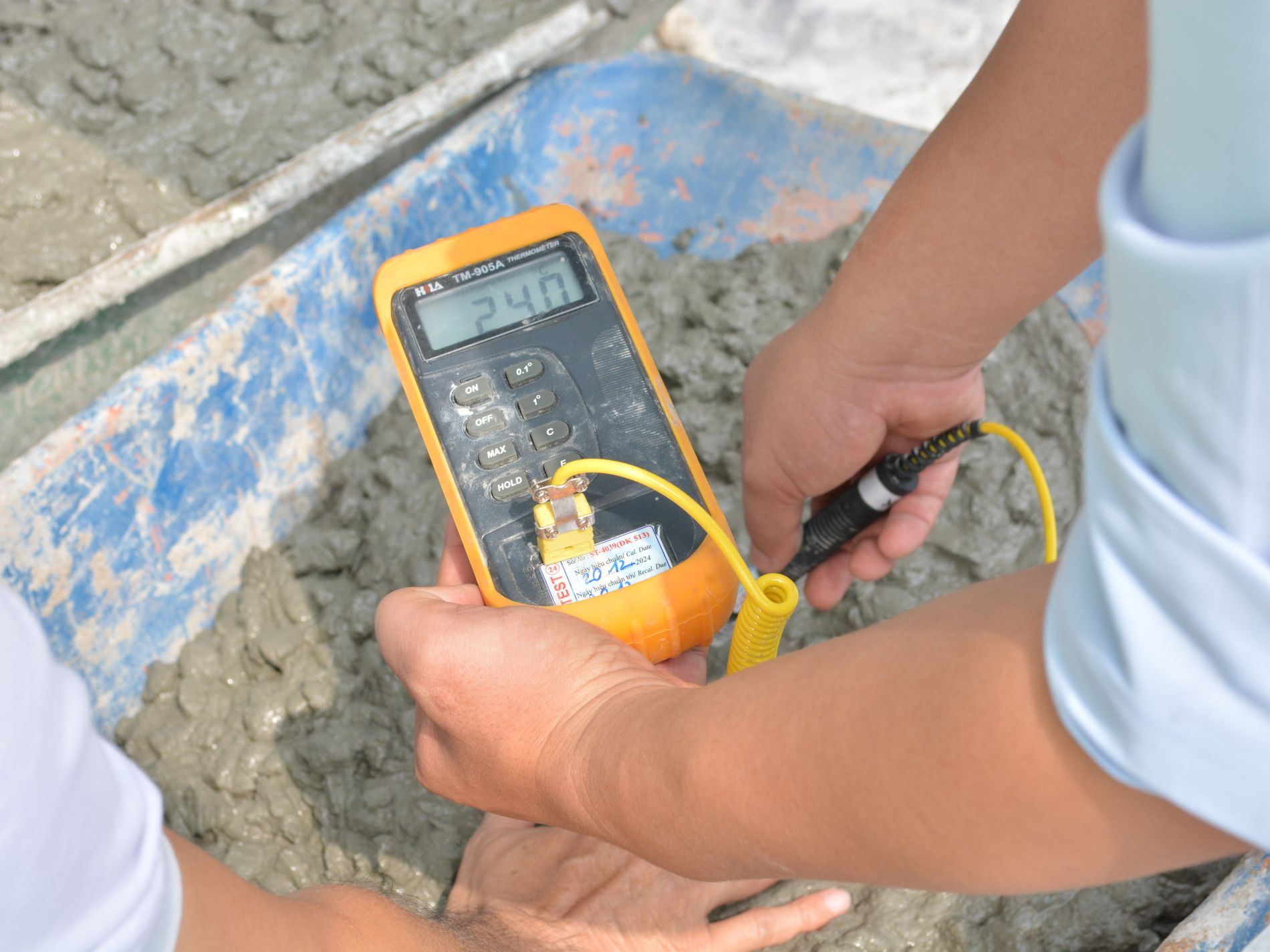
What thickness means on a resin floor quote
When someone asks how thick should a resin floor be, they are usually looking at two quotes that seem to describe the same job but cost very different amounts. The difference between 0.3mm and 4mm is not just a number on a page. It determines whether the surface survives a dropped pallet or scuffs away under a week of foot traffic.
A thin coating seals bare concrete against dust and light spills. It sits on top of the slab rather than replacing it. A thicker system fills minor hollows, spreads point loads across a wider area and resists the grinding action of hard plastic wheels. Knowing what thickness epoxy floor industrial buyers typically choose helps you spot when a quote is too light for the work your building does every day.
The resin floor coating depth also affects how much preparation the specialist firm must do before applying anything. Thinner films demand a smoother substrate because every imperfection telegraphs through. Thicker screeds forgive more, but they require deeper mechanical keys cut into the concrete first.
Thin coatings: 0.3mm to 1mm for light use
Roller-applied epoxy systems between 0.3mm and 1mm are designed for areas where people walk and light trolleys roll. They seal the concrete, stop dusting and make the surface easier to clean. In a UK storage unit used only for racking boxed goods, this depth often does the job.
One quote might say 0.3mm while another says 4mm for the same warehouse floor. What you pay extra for is load distribution. A film that thin cannot absorb impact. If a steel-shelving upright gets dragged across it, the coating tears. It also follows every dip in the existing slab, so flatness depends entirely on the concrete underneath.
These coatings cure fast. A specialist contractor can often apply them over a weekend and hand the unit back on Monday morning. But speed comes at the expense of durability under heavy plant. Reading a resin floor spec that lists a single roller coat tells you the installer expects nothing heavier than pedestrian traffic.
Medium build systems: 2mm to 3mm for mixed traffic
Once pallet trucks and occasional forklift movements enter the picture, the minimum viable depth rises. A 2mm to 3mm system adds enough body to resist tyre scrub and distribute the weight of a laden truck across several square centimetres rather than a few millimetres.
Will a 2mm coating hold up in a unit where pallets get dropped? It depends on the pallet weight and the drop height. Two millimetres of epoxy will survive an empty timber pallet falling from waist height. It will chip if a tonne of bagged aggregate lands on a corner. At that point, deciding between a screed or coating for warehouse floors becomes less about price and more about avoiding repeat repairs.
Specialist firms apply medium build systems with a squeegee and back-roll them to achieve an even depth. The material bridges small cracks and hides the trowel marks left by the original concrete pour. It still requires a sound substrate, but the tolerance for surface roughness is wider than with a thin film.
Heavy duty screeds: 4mm to 6mm and beyond
Forklift traffic floor coating specifications in busy distribution centres usually start at 4mm and go up to 6mm or more. At these depths the product stops behaving like paint and starts acting as a wearing course. Polyurethane screeds in this range absorb shock, resist thermal cycling and tolerate the point loads generated by narrow-aisle reach trucks.
The difference between 2mm and 6mm resin is substantial. Six millimetres of material adds mass that dampens vibration and protects the concrete slab beneath from spalling. It also allows the specialist installer to lay falls toward drainage channels without exposing the substrate, which matters in food production or wash-down areas across the United Kingdom.
How thick does a resin floor need to be if forklifts run over it all day? Most manufacturers publish load tables showing the maximum point pressure their systems withstand at various depths. A firm that specialises in industrial flooring will reference those tables when specifying the build-up, matching the resin grade to the axle weights and tyre compounds in use.
Curing time and getting the unit back into service
Does a thicker resin floor take longer to cure before you can use the unit again? Yes. A 0.5mm roller coat might accept foot traffic in twelve hours and full loading in forty-eight. A 6mm polyurethane screed can need three to five days before heavy plant drives over it safely.
Temperature plays a large part. UK warehouses without heating in winter slow the chemical reaction down, extending the wait. Specialist contractors plan around this, sometimes using faster-curing formulations in cold months, though those carry their own trade-offs in working time and finish quality.
If the building must stay operational, the installer may phase the work in zones. You can read more about curing schedules and what affects them when planning downtime for a live site. The thickness you choose directly shapes how long each zone remains out of bounds, so factoring programme length into the comparison between quotes prevents costly surprises later.
Reading a written specification correctly
How do you tell from a written specification whether the thickness quoted suits your building? Look for three things: the nominal dry film thickness, the application method and the expected traffic category. A document that simply states "epoxy floor" without a depth figure leaves too much open to interpretation.
Manufacturers classify their products by intended use. Light duty, medium duty and heavy duty correspond roughly to the thickness bands described above. When reading a resin floor spec, check that the traffic category matches what actually happens on your slab. A quote built around a light-duty product for a heavy-duty aisle will be cheaper upfront and expensive within a year.
Also note whether the depth includes primer. Some quotes list the total build-up including the primer coat, while others state only the wearing course thickness. Clarify this before comparing numbers. The state of your existing concrete slab changes the requirement too; a pitted, worn floor needs more material to reach the same finished level than a fresh power-floated surface.
Building up a floor later and assigning responsibility
Can a thin coating be built up later if it turns out to be too light for the traffic? Technically yes, but practically it is difficult. New resin bonds poorly to old resin unless the surface is abraded back to a mechanical key, which often costs as much as starting over. Planning for the correct depth from the outset avoids this problem.
Who is responsible if the floor fails because the thickness was wrong for the use? That depends on who specified it. If you told the specialist firm exactly what product to apply and they followed your instruction, the liability sits with you. If they surveyed the site, assessed the traffic and recommended a system that then failed under normal use, their professional indemnity insurance should respond.
This is why a proper site survey matters before any resin goes down. The firm doing the work needs to see the forklift types, wheel compounds, chemical exposures and slab condition to recommend a depth that lasts.
Signs your resin floor might be too thin
A coating that lacks depth for the traffic it receives shows damage quickly. These are the visible signs that the specification did not match the daily use of the building.
- 1
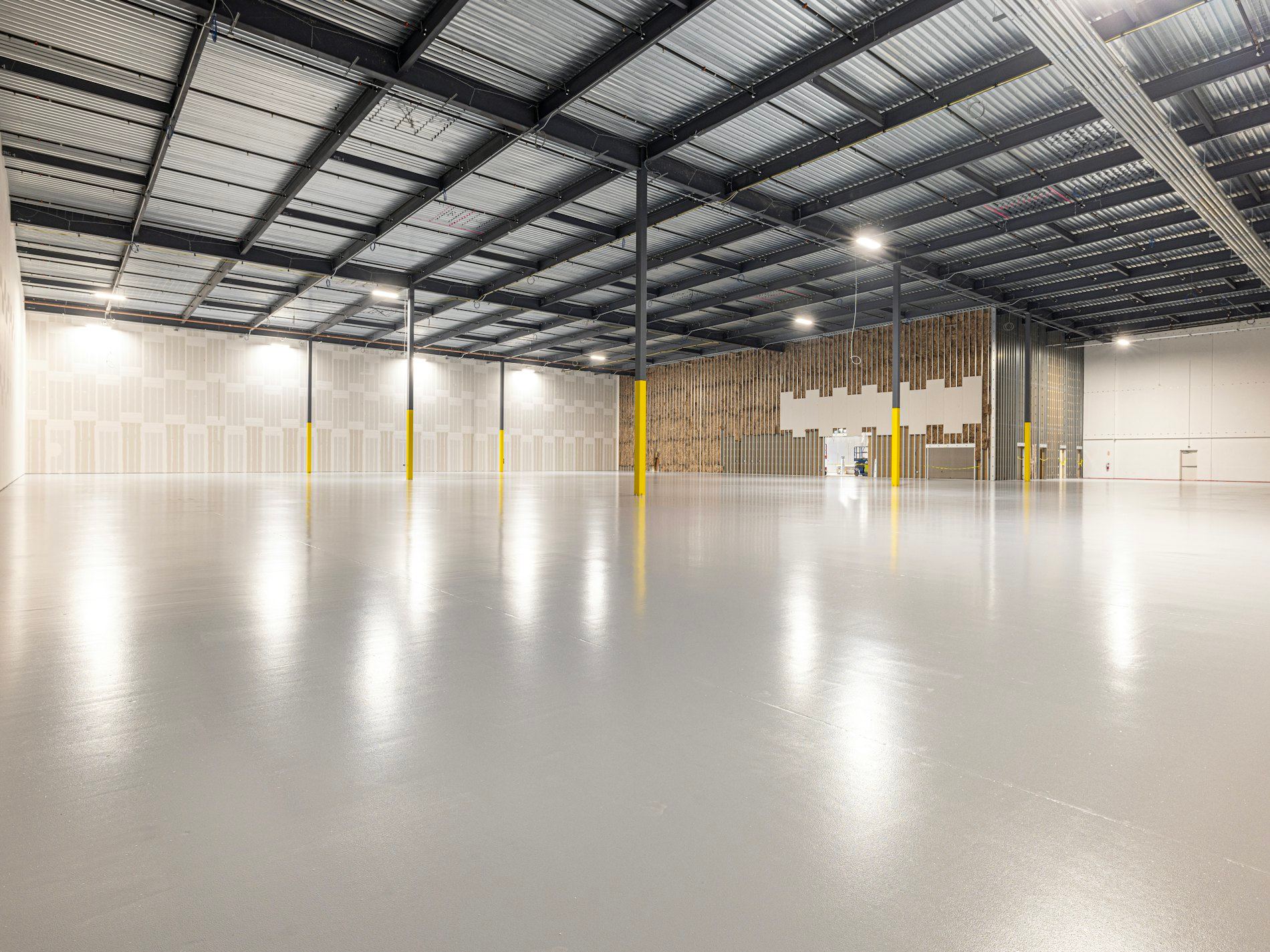
Tyre marks that will not wash off
Black scuffs embedded in the surface suggest the resin is too thin to resist rubber friction from loaded trucks turning on the spot.
- 2
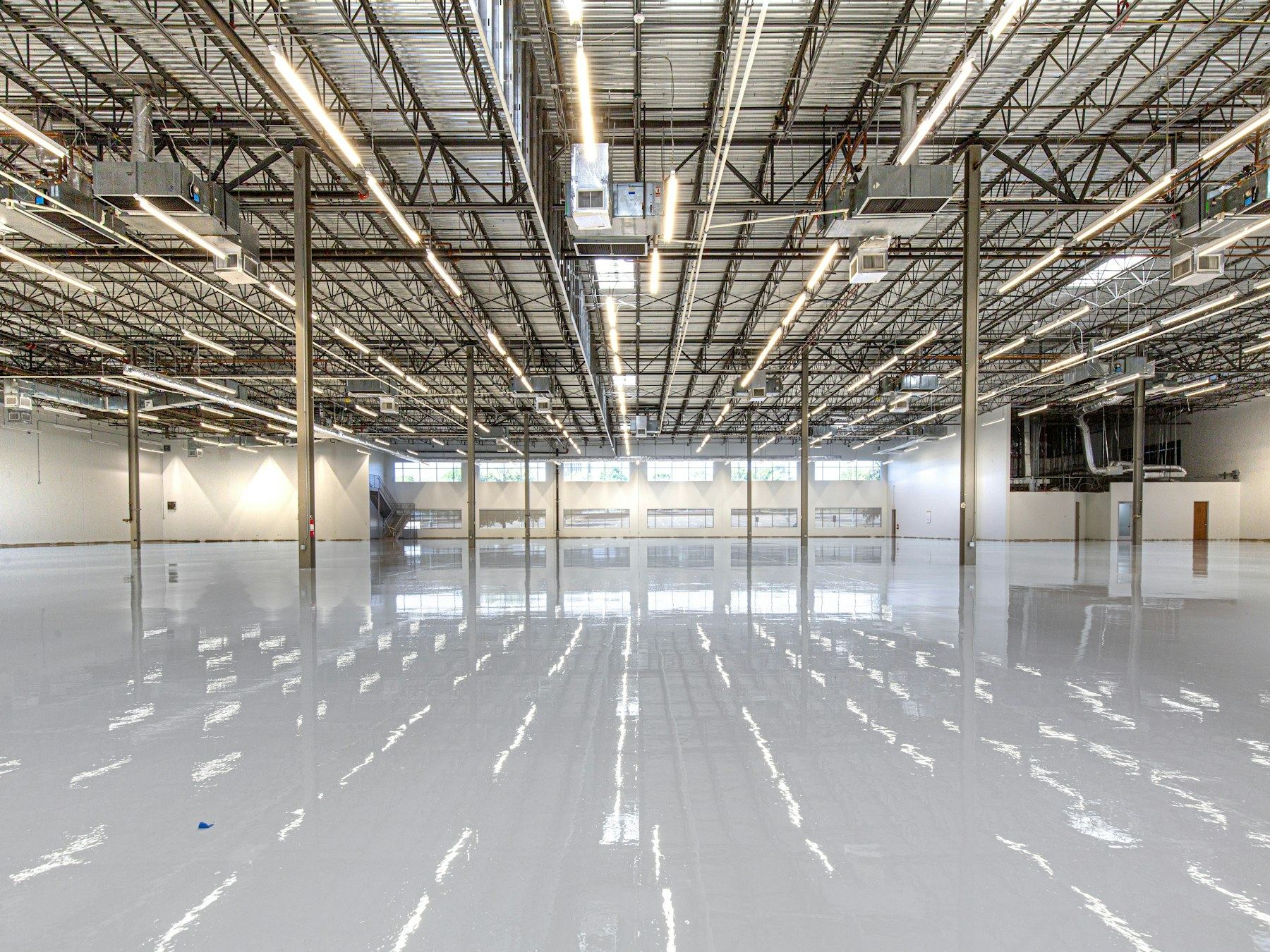
Chips near racking uprights
Small craters where pallets land repeatedly mean the coating has no depth to absorb impact, exposing bare concrete underneath.
- 3
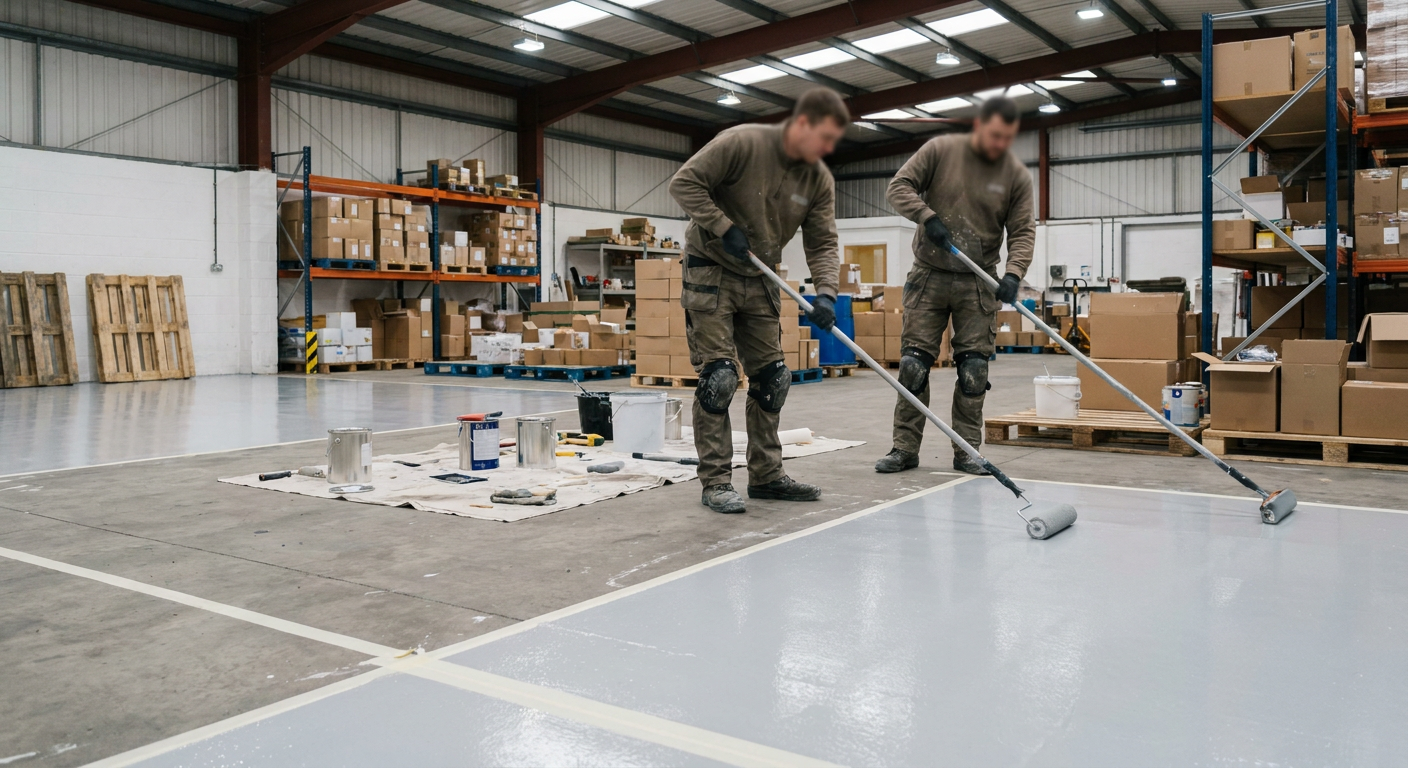
Wear paths along main aisles
A dull strip following the forklift route shows the wearing layer has eroded through to the primer or the slab itself.
- 4
Cracks mirroring the slab below
Lines appearing in the resin that match joints in the concrete indicate the coating lacked the thickness to bridge natural movement.
Questions buyers ask about resin floor depth
Thickness is the variable that changes both the price and the lifespan of the floor most dramatically.
- Paying for 4mm over 0.3mm
- You are paying for load distribution, impact resistance and a longer interval before the next repair is needed under traffic.
- Depth for constant forklift use
- Most specialists specify 4mm to 6mm for daily reach-truck traffic, depending on axle loads and tyre type.
- Dropped pallets on a 2mm coat
- Two millimetres handles light drops. Heavy or sharp-edged loads will chip through to the concrete at that depth.
- Thicker floors and cure times
- Greater depth extends the cure period. Expect several days before heavy plant can use a 6mm screed safely.
- Checking a written specification
- Look for nominal dry film thickness, traffic category and whether the quoted depth includes the primer coat.
- Adding thickness later
- Possible but costly. Bonding new resin over old requires heavy abrasion first, often making replacement the better option.
Ask about thickness for your floor
Send details about your building and the traffic it takes. A specialist firm will assess the slab and propose a depth suited to the actual use, with no obligation to proceed.
- No commitment required
- Site-specific advice
- UK-wide coverage